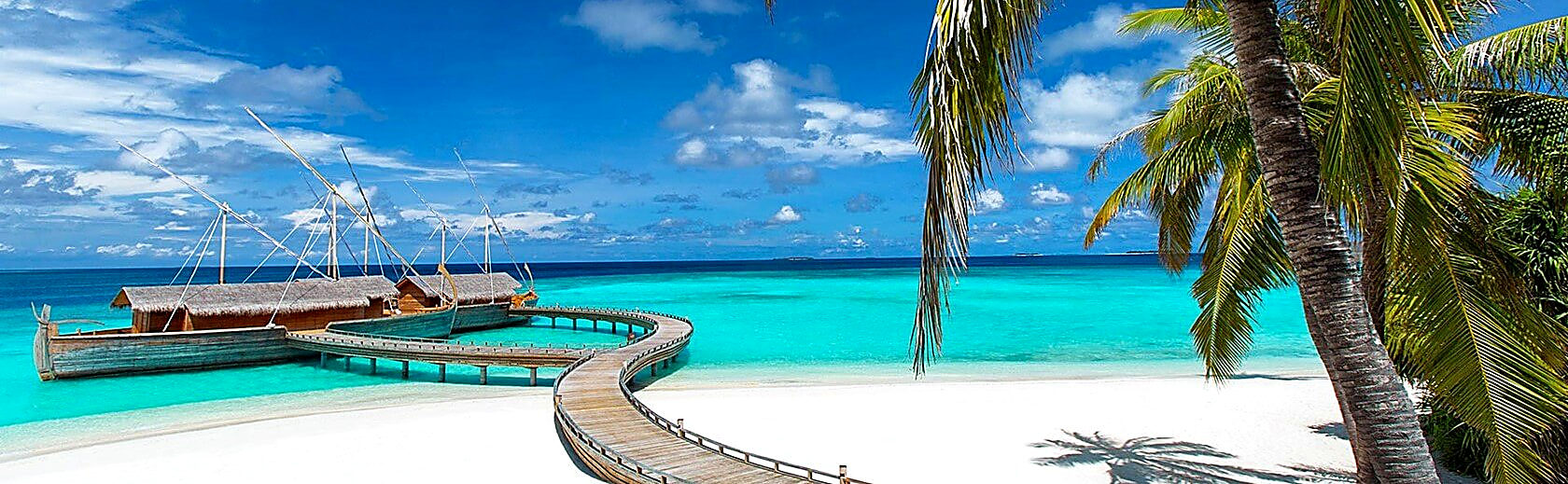
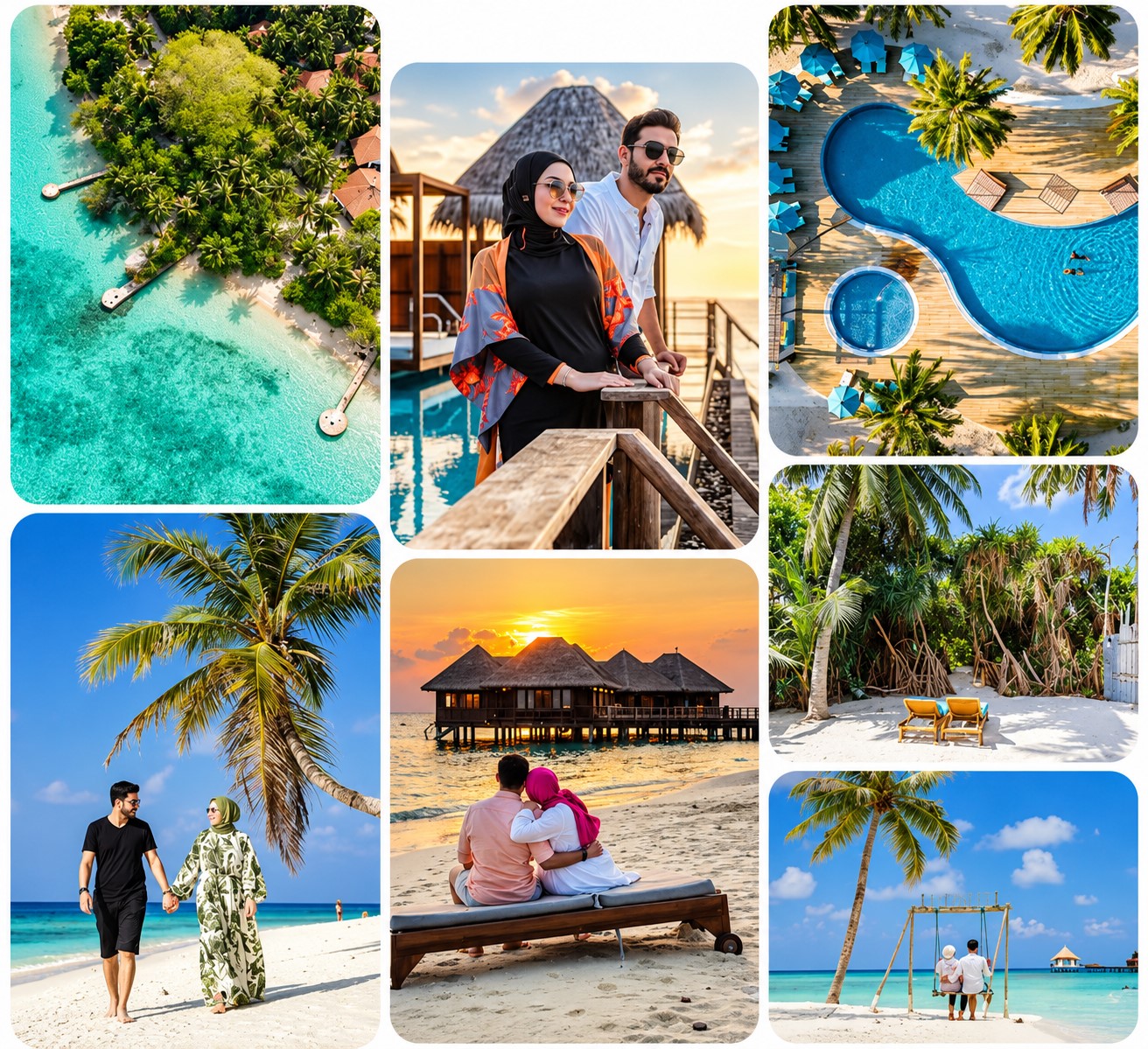
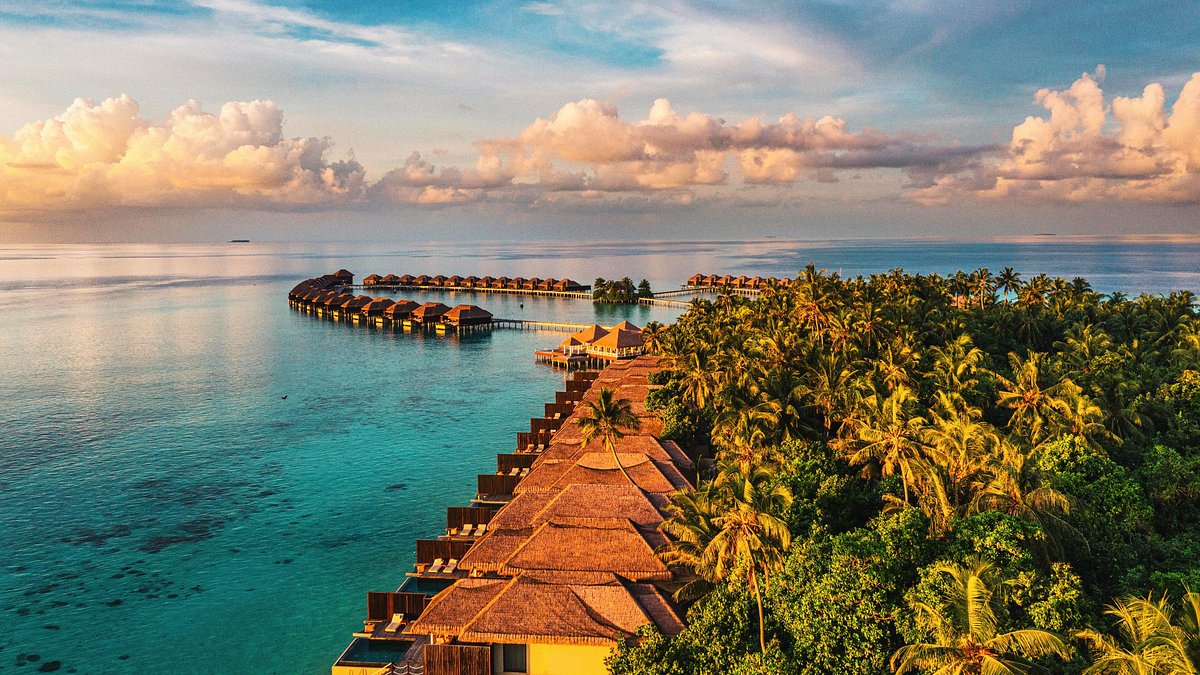
The single greatest secret behind the Maldivian tourism industry maintaining its standing at the pinnacle of global luxury—and the nation’s most profound economic blessing—is the unique "one-island, one-resort" concept. Built upon naturally secluded, pristine white-sand cays and untouched lagoons, this simple yet exclusive model serves as the backbone of the Maldives’ premium tourism brand. Over the past five decades, the Maldives captured world attention and earned unyielding loyalty among high-net-worth travelers precisely through this matchless natural isolation and understated tranquility.
However, the decision to lease 500 hectares of reclaimed land within the massive 5,000-hectare Fushidhiggaru lagoon—branded as "Rasmale’"—to the UAE-based developer Eagle Hills on a 99-year master concession raises alarm bells over the future of the iconic "one-island, one-resort" model. The Rasmale’ project is far more than an urban housing expansion for the Malé region. Comprising over 8,800 real estate units, mega-marinas, and extensive commercial waterfronts, it represents a structural transformation of Maldivian hospitality toward an urban real estate model.
Sounding the Alarm on the "One-Island, One-Resort" Concept
Infrastructure Minister Dr. Abdulla Muththalib recently asserted that Rasmale’ will not disrupt the "one-island, one-resort" paradigm. Speaking at the Maldives Accounting Forum, the Minister noted that a traditional resort island yields between USD 75 million and USD 316 million in state revenue over a 99-year period. In contrast, he projected that the Rasmale’ framework would generate USD 3 billion for the state within just ten years, bringing in USD 340 million annually in Tourism Goods and Services Tax (TGST) alone.
A High-Stakes Economic Gamble with the Premium Brand
Behind the headline figures of an "eightfold increase in TGST" lies an unsettling reality that threatens to alter the foundations of Maldivian tourism. Prioritizing short-term tax windfalls over long-term strategic positioning introduces a profound economic risk that could ultimately sacrifice the country’s premium tourism brand. Formulating national policy for mega-projects based solely on immediate budget inflows risks undermining the sustainability of an industry founded entirely on environmental exclusivity and natural capital.
Market Dilution, Monopolistic Pricing, and Squeezed Yields
To realize USD 340 million in annual TGST from 500 hectares housing 8,800 properties, the Rasmale' enclave must absorb immense volumes of mass tourists and real estate buyers. Channeling at least one million visitors annually into a single concentrated zone will force developers and hotel operators to drop room rates below those commanded by traditional luxury island retreats.
Granting a single foreign master developer control over real estate and tourism at this unprecedented scale creates an inevitable monopoly over room inventory and pricing structures within integrated lifestyle enclaves. This scale creates downward pressure on room yields across the board, eroding demand for the traditional "one-island, one-resort" product. While the government chases aggressive revenue targets, independent resorts face shrinking market share and forced rate cuts. Consequently, both local and foreign investors who built their businesses around dedicated island leases could suffer severe economic fallout.
Environmental Degradation and Brand Erosion
Reclaiming vast swathes of lagoon to concentrate large populations, light industrial works, urban hotels, and marinas in a single corridor is not merely an urban development exercise—it shifts the ecological and economic equilibrium of the entire central atoll. Dredging and heavy reclamation alters ocean currents, choke coral ecosystems, and inflict irreversible damage on marine life, degrading the natural aesthetic of neighboring resorts.
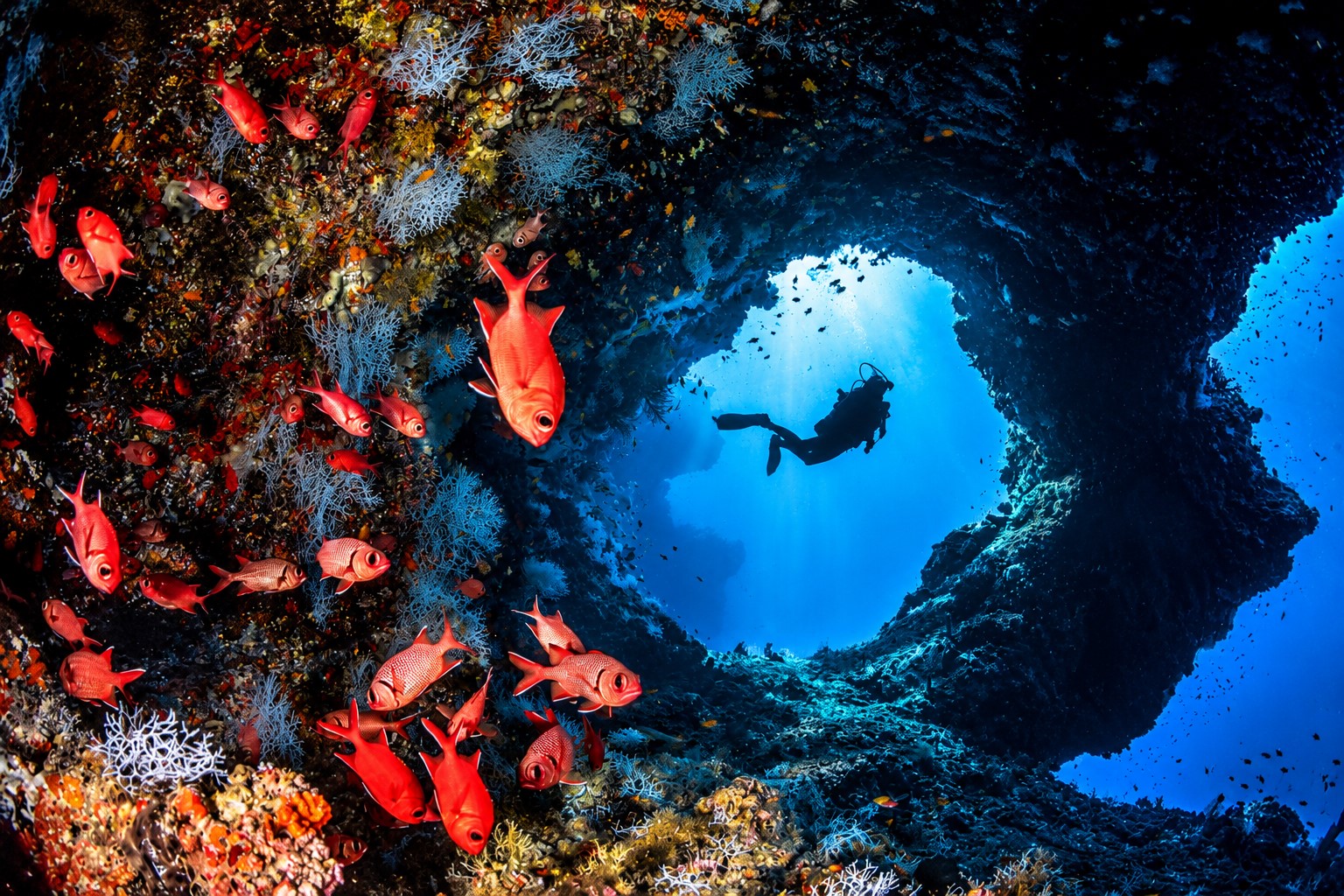
For high-end travelers seeking complete privacy and pristine natural environments, any deterioration in marine quality strikes at the core of their visit. Stronger current shifts, accelerated island erosion, and dying coral reefs directly diminish the diving and snorkeling experience. Should these ecological risks materialize fully, the harm to the Maldives’ global reputation for ultra-luxury branding will be permanent.
The Polarization of Maldivian Tourism
Even if mega-real estate developments do not extinguish the single-island model entirely, they will irrevocably polarize the market into two distinct operational spheres:
Central Urban Enclave Hubs: The Greater Malé region and Kaafu Atoll will be dominated by multi-use, high-density hubs like Rasmale’, capturing mass-market volumes and shifting central tourism toward an urban-marina model akin to Dubai or Singapore.
Isolated Outer Atolls: True seclusion and pristine wilderness will be pushed further into remote northern and southern rims—such as Haa Alifu, Noonu, or Huvadhoo Atolls—where hyper-exclusive resorts will be forced to charge exorbitant premiums to maintain operations.
As a result, traditional luxury properties in Kaafu Atoll will face immense pressure to discount rates or sell out. In many cases, these distressed assets will be acquired by the very same foreign mega-conglomerates. Over time, ownership of the country's prime tourism infrastructure risks concentrating in foreign hands, reducing Maldivians from primary stakeholders to mere service workers in their own land.
A Semi-Sovereign Enclave Within the State?
Selling properties and land under 99-year leasehold structures under standard legal frameworks raises profound concerns regarding economic sovereignty. Handing 500 hectares to a single foreign developer for nearly a century creates more than just a commercial lease—it risks establishing a semi-sovereign enclave or an autonomous economic territory operating within the state.
Over a 99-year horizon, the sheer scale of foreign capital will grant developer syndicates immense political leverage over domestic policy. Should future governments attempt to revise tax regimes or tighten environmental regulations, powerful foreign commercial interests—backed by significant financial influence—will pose severe challenges to asserting sovereign regulatory rights. Furthermore, opening vast portions of the domestic real estate market to foreign mega-capital severely restricts the ability of local entrepreneurs to compete on an equal footing.
Conclusion
Rasmale’ is not a simple diversification of real estate and tourism; it is a direct challenge to the foundational pillar of Maldivian hospitality—natural isolation and an unblemished environment. Despite official assurances that local interests will be protected, transferring 500 hectares under a century-long leasehold to foreign mega-consortiums carries an undeniable risk of shifting market dominance away from local stewards.
The true measure of a mega-project cannot be judged solely by immediate TGST receipts or headline dollar figures. Compromising the integrity of the "one-island, one-resort" concept will inflict compounding, irreparable harm on the national economy. As is so often the case with grandiose developments executed under the banner of national progress, the ultimate price will not be paid by those who sign the contracts today, but by the generations of Maldivians yet to come.