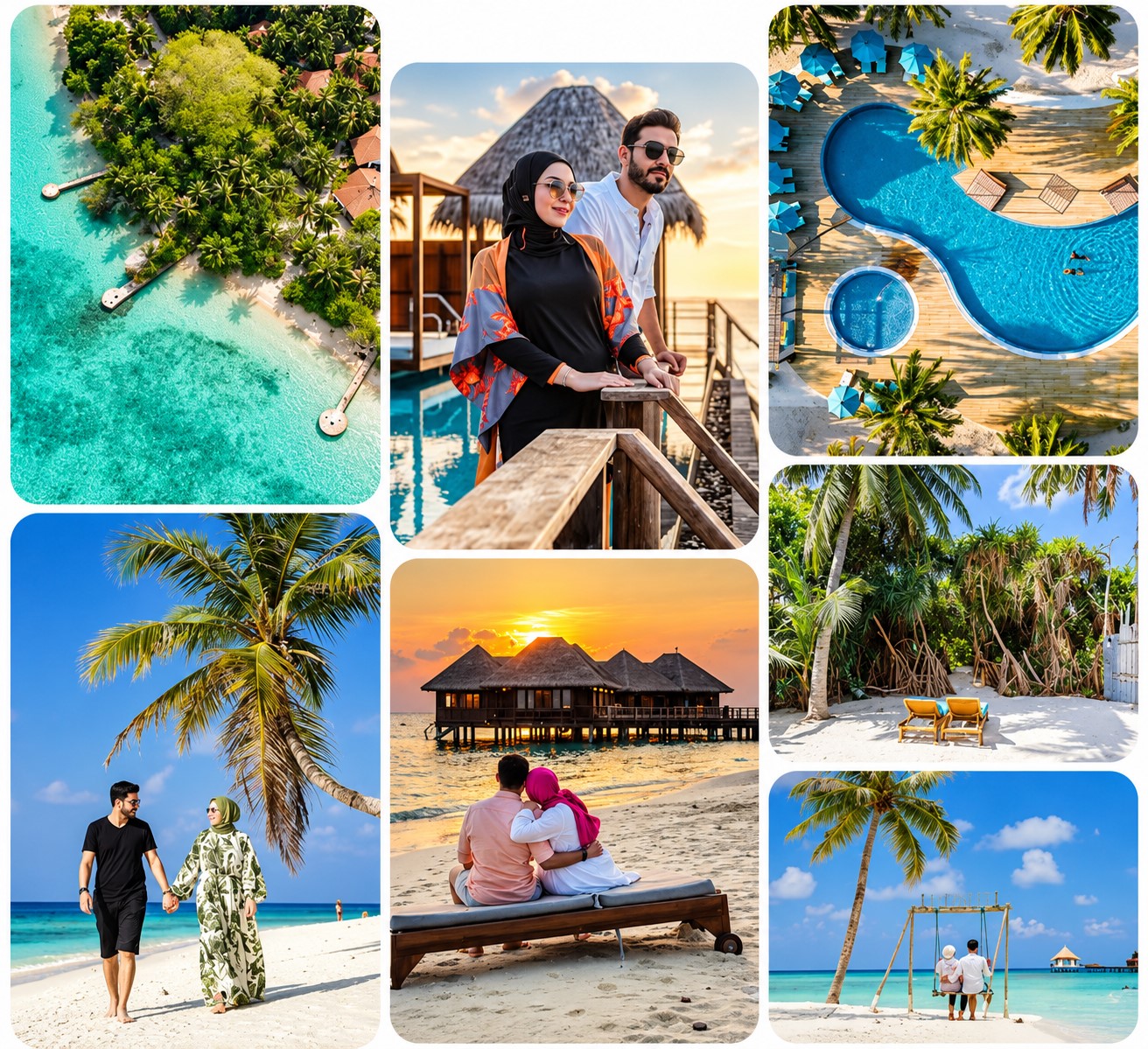
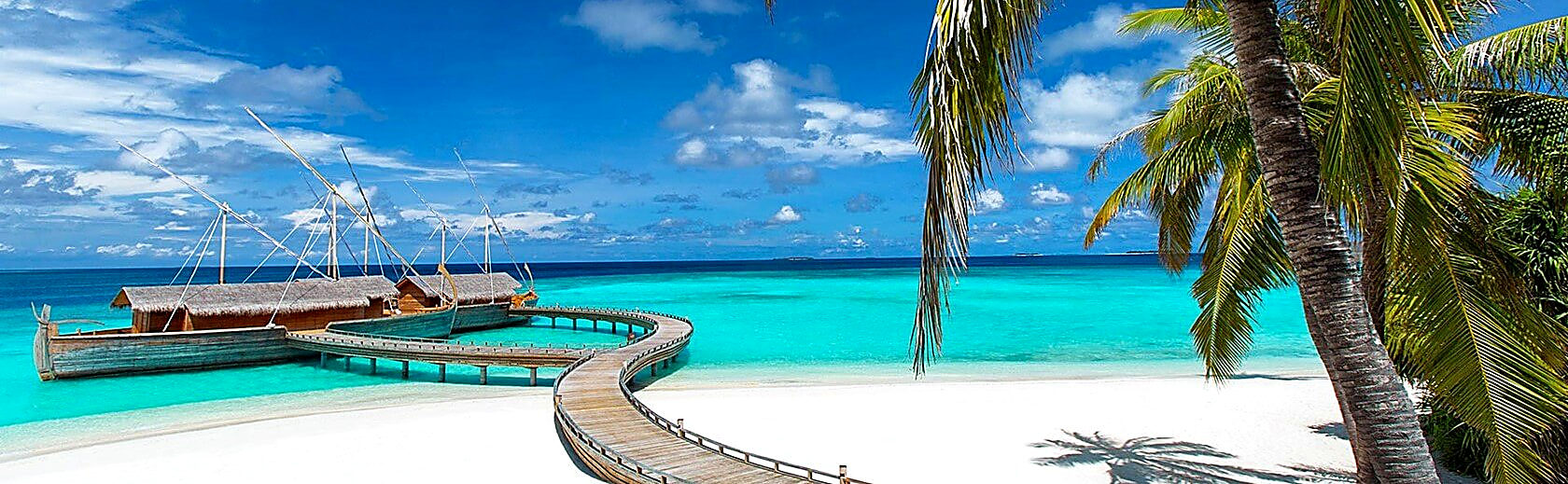
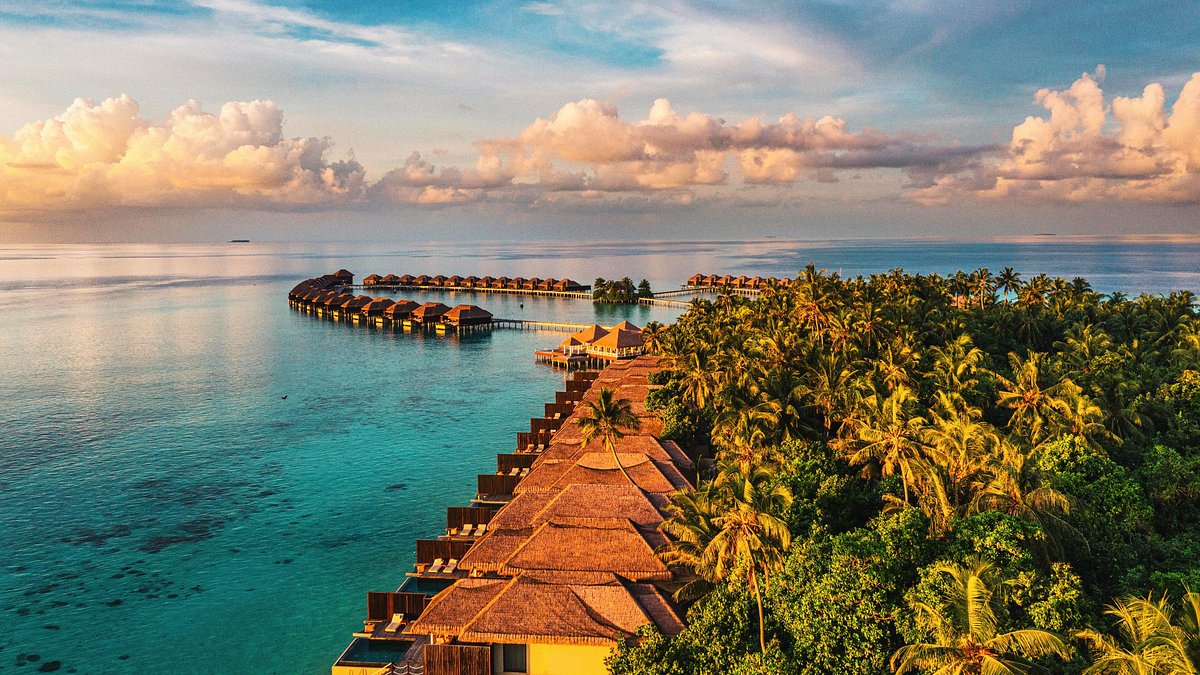
In 2007, local developer ADK set out to build a landmark “halal” or “Muslim-friendly” resort on Shaviyani Gaakoshibee in partnership with Turkey’s Caprice Gold. Ten years later, after prolonged construction delays, the project stripped away its Islamic label entirely and opened as a conventional luxury resort. Over half a century after welcoming its first international tourists, the Maldives—a 100% Sunni Muslim nation—has yet to officially open or operate a single fully certified Halal tourist resort.
This failure of execution exists alongside a global boom. Market research and international media reports consistently highlight Muslim travelers as one of the fastest-growing sectors in global tourism, generating over $200 billion annually. Leading the charge are destinations like the UAE, Malaysia, Turkey, Singapore, and Jordan, all capitalizing on a lucrative segment that demands tailored services.
A fully compliant Halal resort operates under explicit guidelines: strictly halal-certified dining, a complete ban on alcohol and pork, dedicated private amenities, and operational rules such as reserving single-room bookings strictly for married couples. Yet despite the Maldives' natural alignment with Islamic values, the nation remains curiously absent from this market.
The issue is not a lack of vision on paper. Consecutive administrations—including the present government—have embedded "Halal tourism" into national policy frameworks and Strategic Action Plans (SAPs). Tenders have been floated and islands designated. Yet year after year, these initiatives stall before a single halal-tourism-resort opens its doors, reducing state commitments to hollow political rhetoric.
The administrative trail exposes a recurring cycle of bureaucratic inertia:
Policy & Legislation: The Attorney General’s Office, Ministry of Islamic Affairs, and Ministry of Tourism were tasked with drafting a comprehensive regulatory framework for Halal tourism. Progress remains severely stalled.
Investor Outreach: The Economic Ministry and the Ministry of Tourism were mandated to conduct targeted international roadshows to recruit investors from key markets like Saudi Arabia, the UAE, Turkey, and Malaysia. Real-world execution has been minimal.
Island Allocation: While the Tourism Ministry holds the ultimate authority to lease designated islands once regulations are finalized, government agencies continue to offer administrative excuses rather than actionable timelines.
For an economy reliant on tourism, ignoring a $200 billion global sector is a critical policy oversight. Opening dedicated Halal resorts would diversify the nation's market base, attract high-net-worth foreign direct investment, and align the hospitality sector with local cultural heritage.
If the government intends to modernize its tourism offerings, transforming Halal tourism from an unfulfilled policy item into an operational reality must become an immediate economic priority. Investors and travelers are ready; it is time for the state to deliver the legal clarity and political willpower required to make it happen.