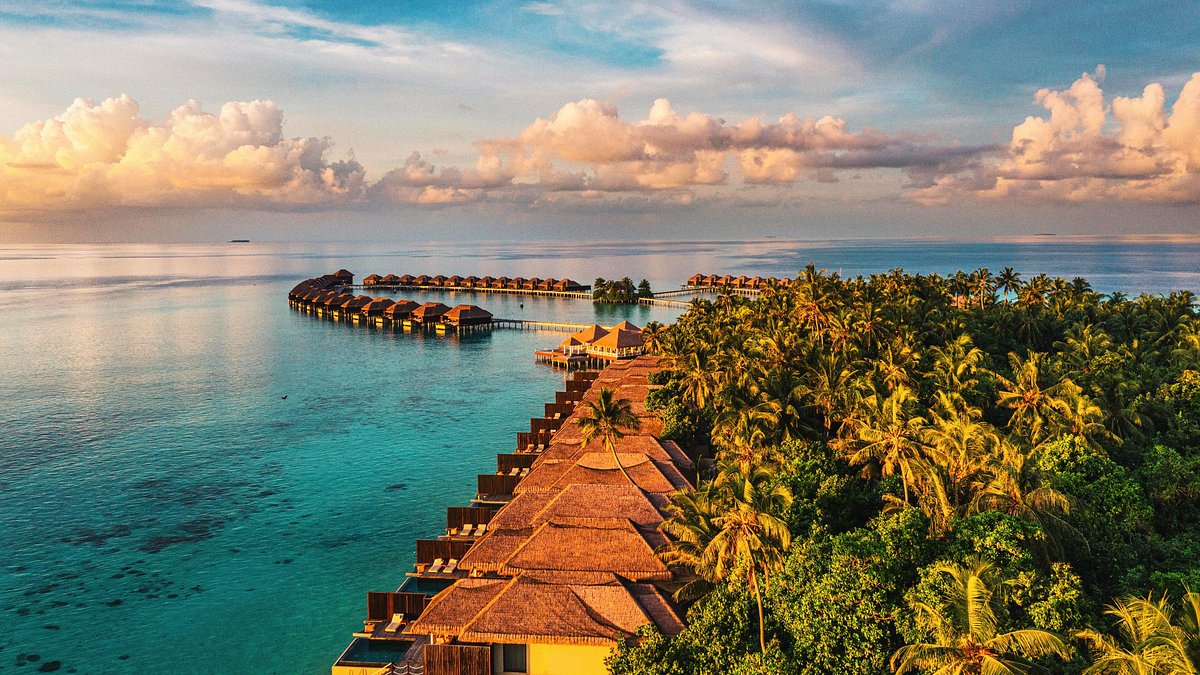
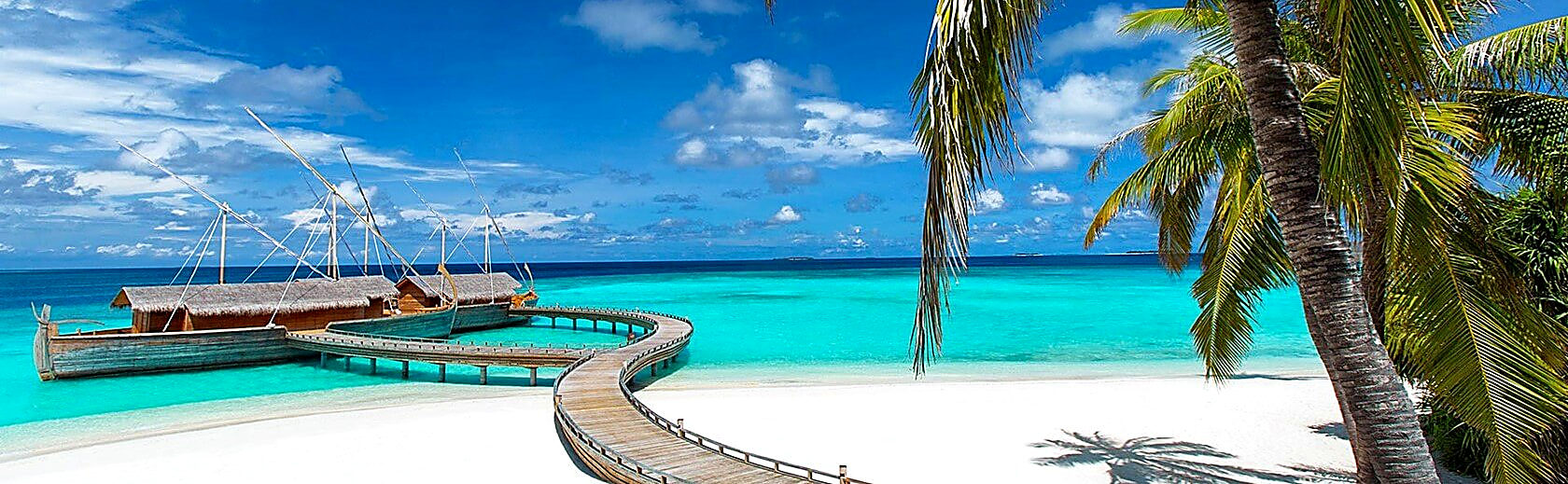
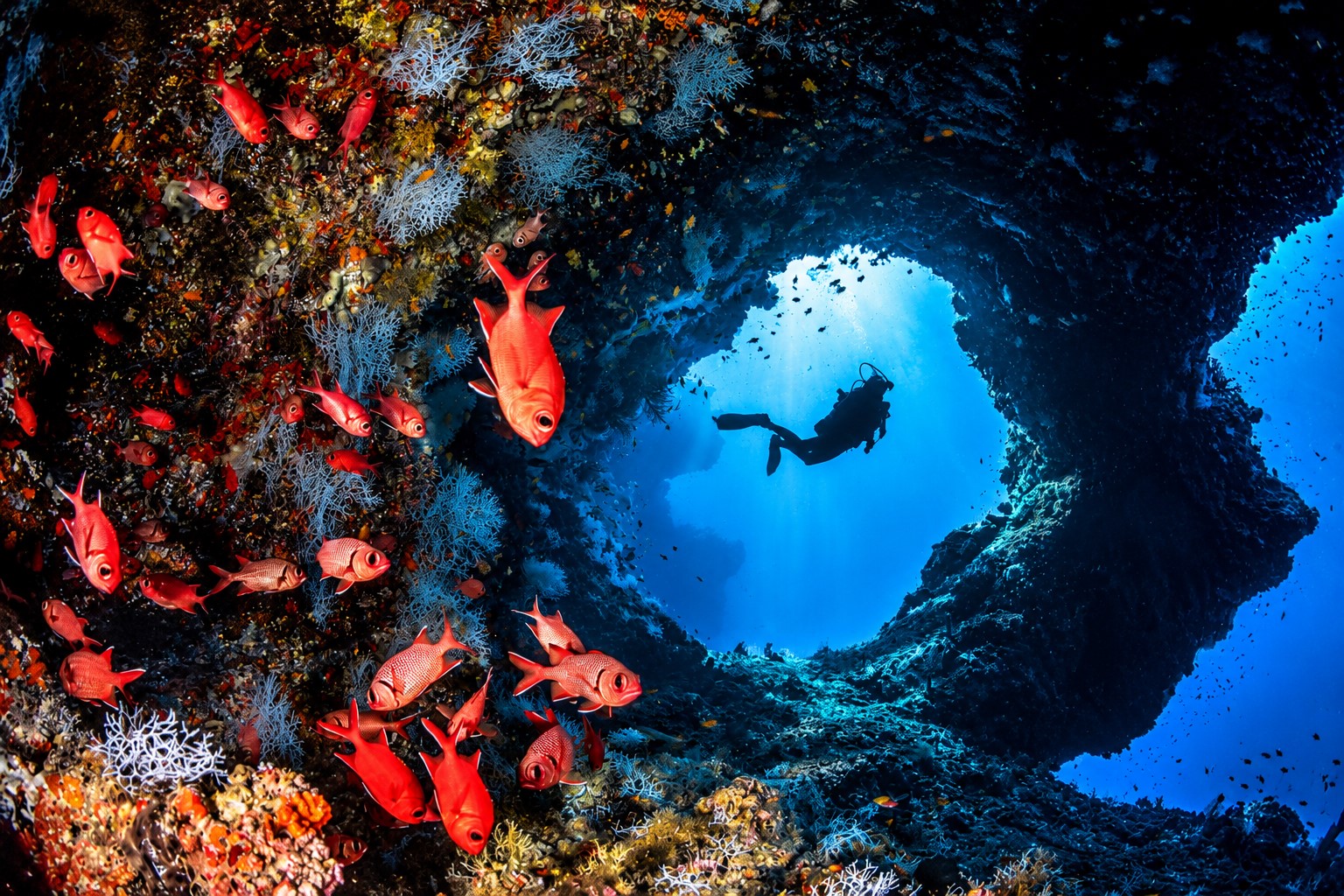
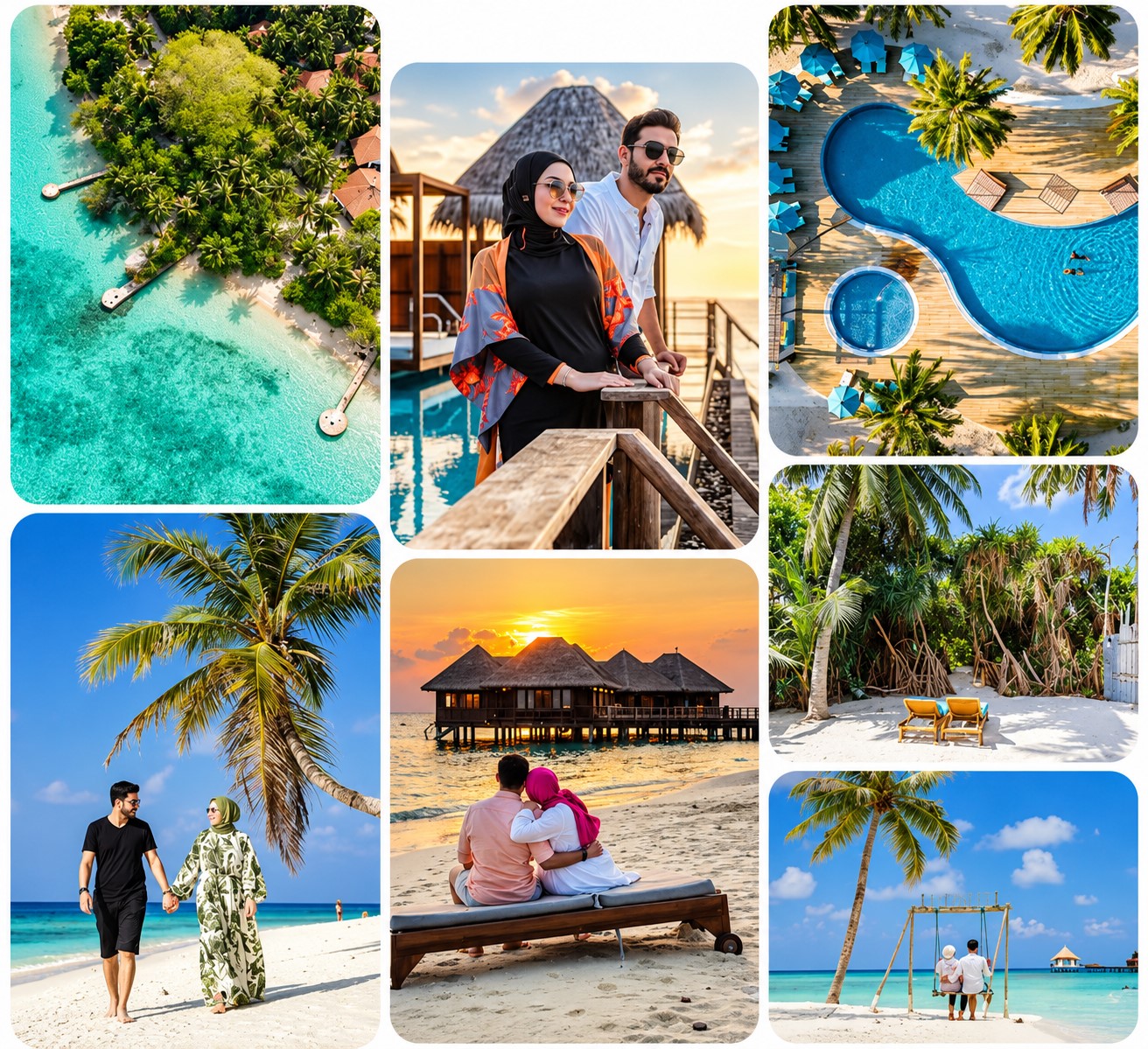
For a traveler checking into a $2,000-a-night luxury resort in the Maldives, the scenery is almost identical regardless of the island: pristine turquoise waters, powder-white sand beaches, overwater villas perched above the lagoon, high-end spas, and fine-dining venues serving international cuisine. When a new resort opens and makes headlines, the promotional pitch rarely varies—gourmet global dining, water sports, diving, serene spas, and signature ocean-view villas.
That is where the narrative ends. More than 50 years after the birth of Maldivian tourism, the country continues to rely almost entirely on the same foundational concept it pioneered decades ago: "sun, sand, and sea."
This structural reliance demands critical re-examination. While global economic conditions and traveler preferences are shifting rapidly, the evolution of resort concepts in the Maldives continues at a sluggish pace. The core assets of Maldivian hospitality—natural beauty, crystal-clear waters, and iconic overwater accommodations—are undisputed strengths. However, failing to integrate innovative concepts alongside this base product leaves the market vulnerable. If competing regional destinations copy this model and offer similar experiences at lower operational costs, the unique edge that sets Maldivian tourism apart risks being eroded.
To build long-term economic resilience, national tourism strategy must expand beyond traditional boundaries into high-growth, specialized travel sectors such as:
Budget and Integrated Retail Models: Diversification also requires expanding entry points for different traveler demographics. Developing budget-friendly resort options with essential services tailored for backpackers offers one route. Concurrently, expanding integrated tourism concepts—featuring large-scale duty-free shopping malls aimed at high-volume markets like China—could transform the visitor experience. Projects such as CROSSROADS Maldives in Emboodhoo Lagoon established a foundation for integrated resort models, but similar frameworks must be scaled across other atolls.
Medical and Senior Care Tourism: Medical tourism can be adapted to the Maldivian resort model through specialized high-end retirement and wellness facilities. Constructing luxury senior-living resorts equipped with a comprehensive healthcare center and wellness facilities would attract high-net-worth retirees seeking long-term stays in a secure, tropical environment. Similarly, establishing "Educational Resorts" on larger uninhabited islands—featuring a university campuses, polytechnic facilities, marine research center, and a student dormitory—would open the doors to global academic and environmental tourism.
Halal and Muslim-Friendly Tourism: Muslim travelers represent a major force in global tourism, accounting for over $200 billion in annual expenditure. Countries such as Malaysia and Turkey have capitalized heavily on this market by offering fully halal-certified hospitality that excludes alcohol and pork while catering strictly to Islamic values. For a 100% Muslim nation, the failure to secure a meaningful share of this market remains a significant missed opportunity. Establishing dedicated halal resorts would create a lucrative niche aligned with local cultural identity.
Sports Tourism: European football clubs routinely travel to warm-weather destinations like Dubai and Qatar for mid-winter training camps, driving substantial economic yield for host destinations. Developing a dedicated "Sports Camp Resort" on a large island—equipped with an international-standard football pitch, cricket and golf facilities, and state-of-the-art athletic conditioning centers—would position the Maldives as a premier regional hub for high-performance sports teams and global athletes.
While successive administrations have referenced these concepts in national policy documents and Strategic Action Plans (SAPs), execution has consistently lagged behind official rhetoric. The industry no longer needs symbolic declarations; it requires decisive policy implementation, streamlined regulatory frameworks, and proactive investor incentives.
Relying indefinitely on the conventional "sun, sand, and sea" formula exposes the nation to shifting market dynamics and rising regional competition. Securing the future of Maldivian tourism requires the political willpower to modernize the regulatory landscape and actively embrace new, high-value hospitality concepts.