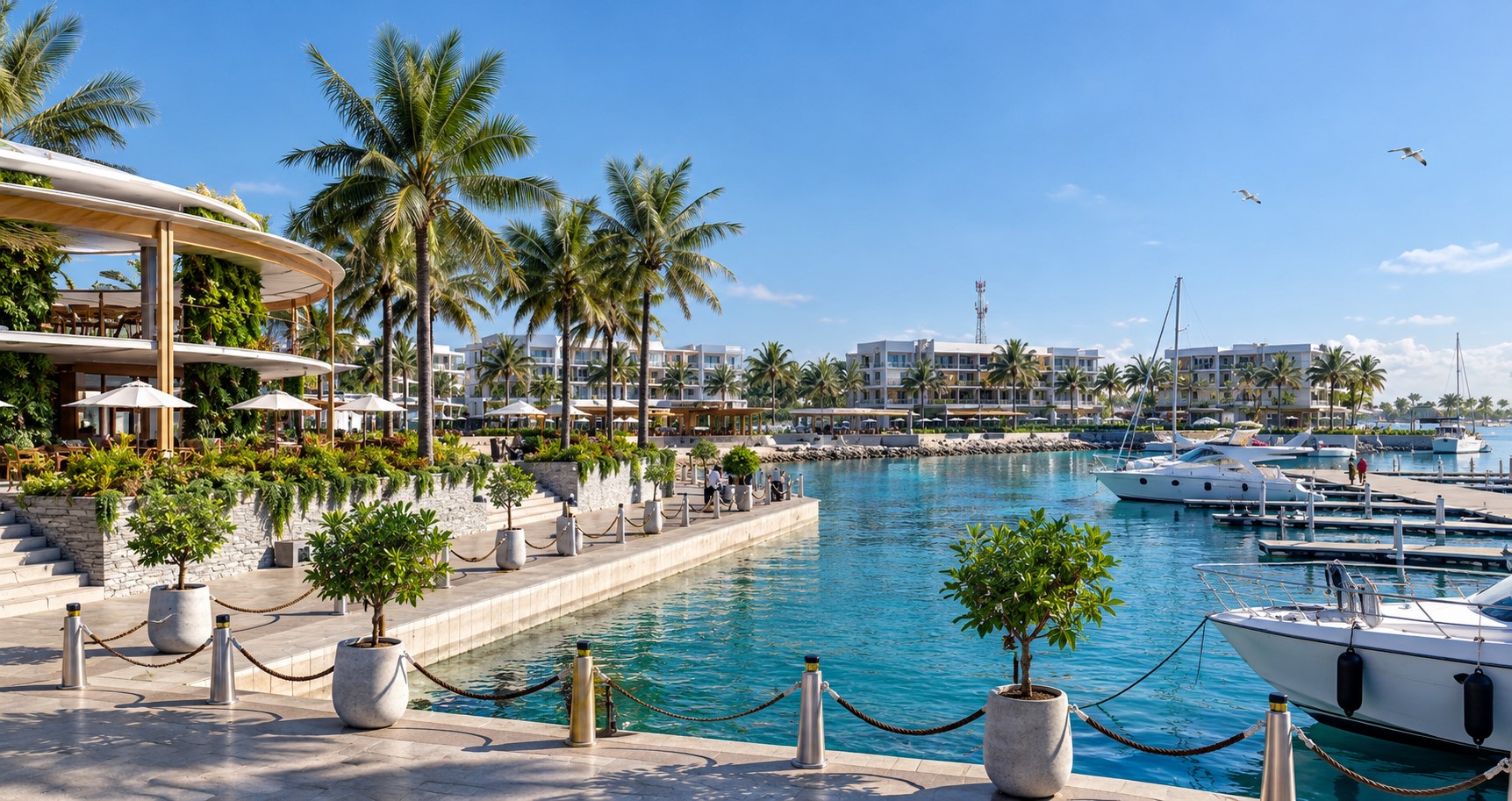
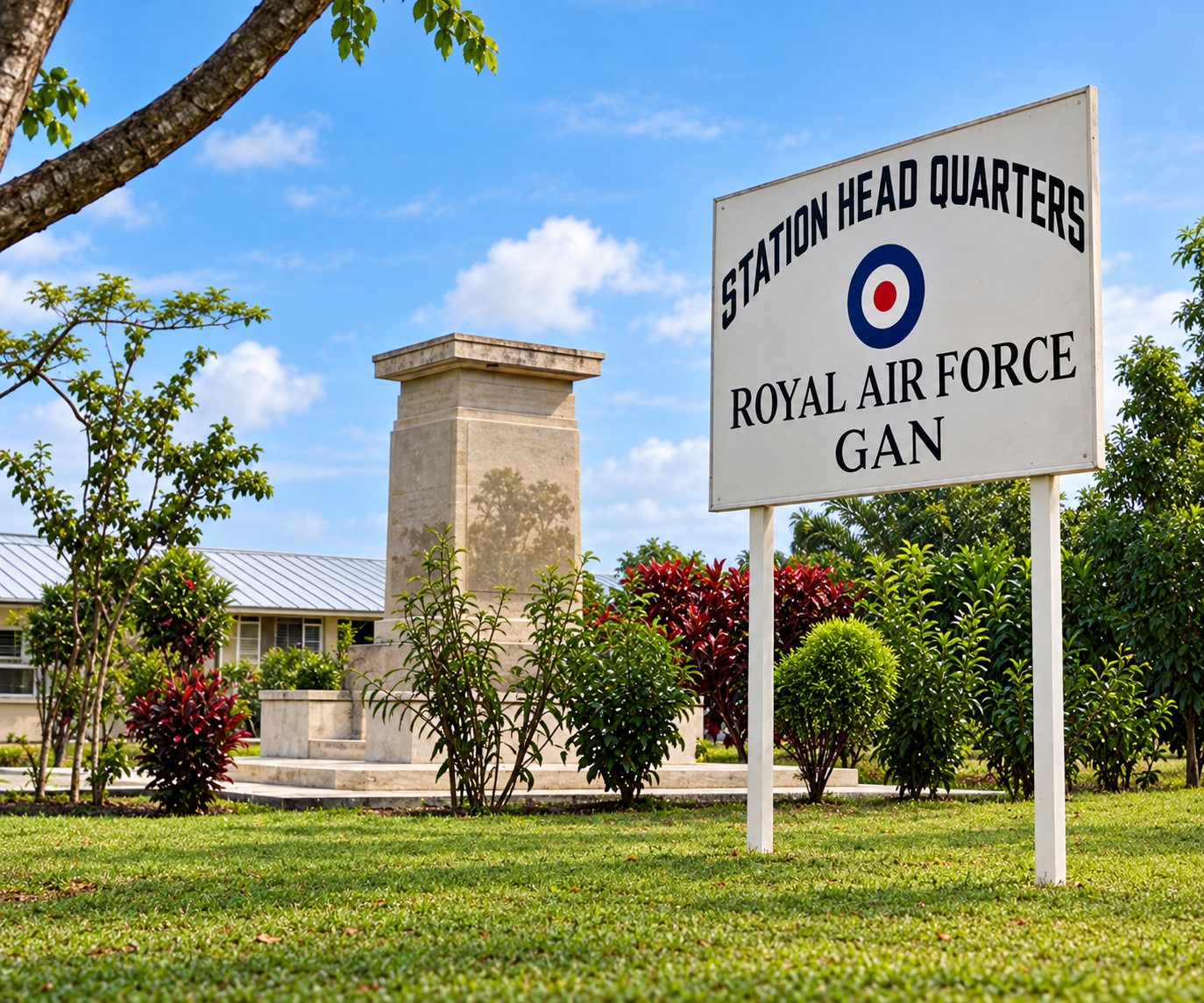
Maldivians must liberate themselves from the psychological servitude ingrained in our minds that the Maldives is a "small, helpless, island nation." Geographically, and in terms of natural lagoons and vast maritime territories, the Maldives possesses the full potential to become a nation larger, far more resource-rich, and more advanced than global economic powerhouses like Singapore and Dubai.
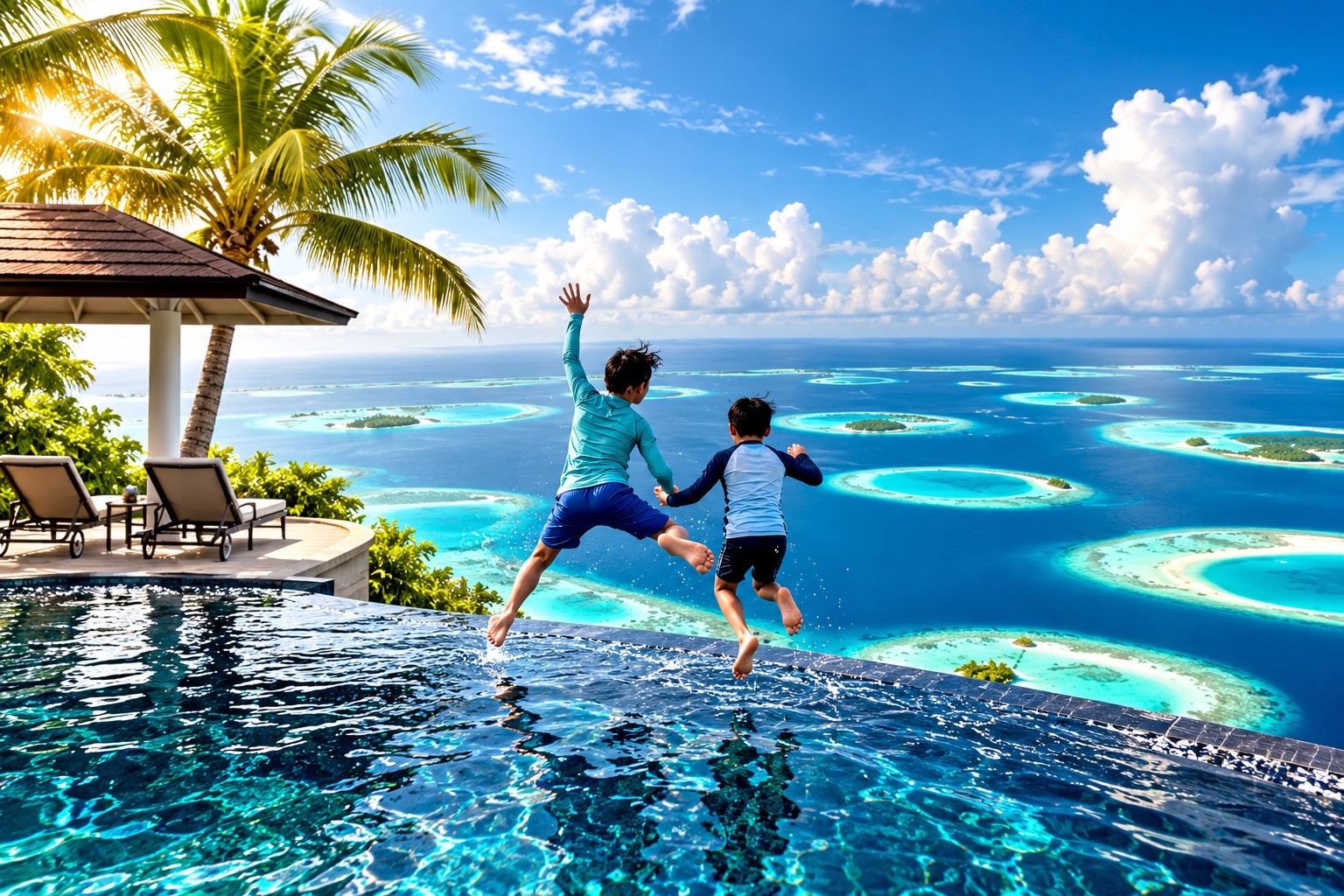
Look at the statistics. Singapore, the world's most advanced financial hub, boasts a Gross Domestic Product (GDP) exceeding USD 500 billion. However, the total land area of Singapore is merely 734 square kilometers. Take a single atoll in the Maldives—for instance, Vaavu Atoll—its total area, including its inner sea and lagoons, spans 1,000 square kilometers. Vaavu Atoll is far larger than Singapore! While Vaavu Atoll stretches 55 kilometers from end to end, Singapore's length is only 50 kilometers. Furthermore, there are hundreds of vast lagoons across the country, such as Lhaviyani Atoll's Jawakara. By utilizing state-of-the-art modern deep-sea dredging and land reclamation technologies, reclaiming just one such lagoon or a significant portion of an atoll presents a natural opportunity to create a massive, contiguous Special Economic Zone the size of Singapore right here in the Maldives.
The Lesson of Singapore and Dubai: Mind and Wisdom, Not Land Area
Singapore is a nation naturally deprived of even drinking water and minerals. Its primary resource is a skilled, educated population adapted to an international environment, fully leveraging the strategic regional advantage of the Strait of Malacca. The true founder of Singapore's astounding transformation was Lee Kuan Yew, who governed from 1959 to 1990.
Both Singapore and the Maldives gained independence in the same year. Singapore separated from Malaysia and achieved independence in August 1965. The Maldives gained independence from British protectorate status in July 1965. As 60 years of independence pass, Singapore has secured a place on the list of the world's wealthiest nations, transforming into a First World country without natural resources, relying solely on human intellect and foresight.
Yet, as 60 years pass, the Maldives remains stuck as a Third World nation dependent on "begging" neighboring countries to meet basic needs, trapped in the harsh reality of debt. When a neighboring country donates 20 handcarts to the Maldives as aid, roll out the red carpet and host a ceremony to celebrate it as a grand achievement—this "begging economic policy" has still not faded from the minds of Maldivians. Just the other day, when India donated a few mangoes and Bangladesh donated a few mangoes, a ceremony was held simply to receive them.
On the other hand, look at Dubai! In the 1960s and 1970s, Dubai's economy was built on oil revenue. Today, however, oil accounts for just 5 percent of Dubai's economy. The remaining 95 percent consists of international trade, tourism, real estate, aviation, and international financial services. Both Dubai and Singapore proved that a nation prospers not by land size, but by fully maximizing regional strategic advantages and building a skilled population.
End "Begging" and Become a Maritime Transportation and Financial Powerhouse
The Maldives lies at the most critical center of the main international shipping routes in the Indian Ocean. On the global map, the geo-strategic importance of the Maldives surpasses even that of Singapore. To fully capitalize on this significance, the offshore bunkering and maritime transport services initiated by STO in Ihavandhippolhu alongside international energy company Vitol must be transformed into a genuine revolution. Cargo shipping ports and all necessary maritime services must be expanded in the north, while simultaneously establishing a maritime and offshore bunkering port in the south of the Maldives. Furthermore, the entire nation must be turned into a premier global hub for international Islamic tourism and eco-friendly tourism.
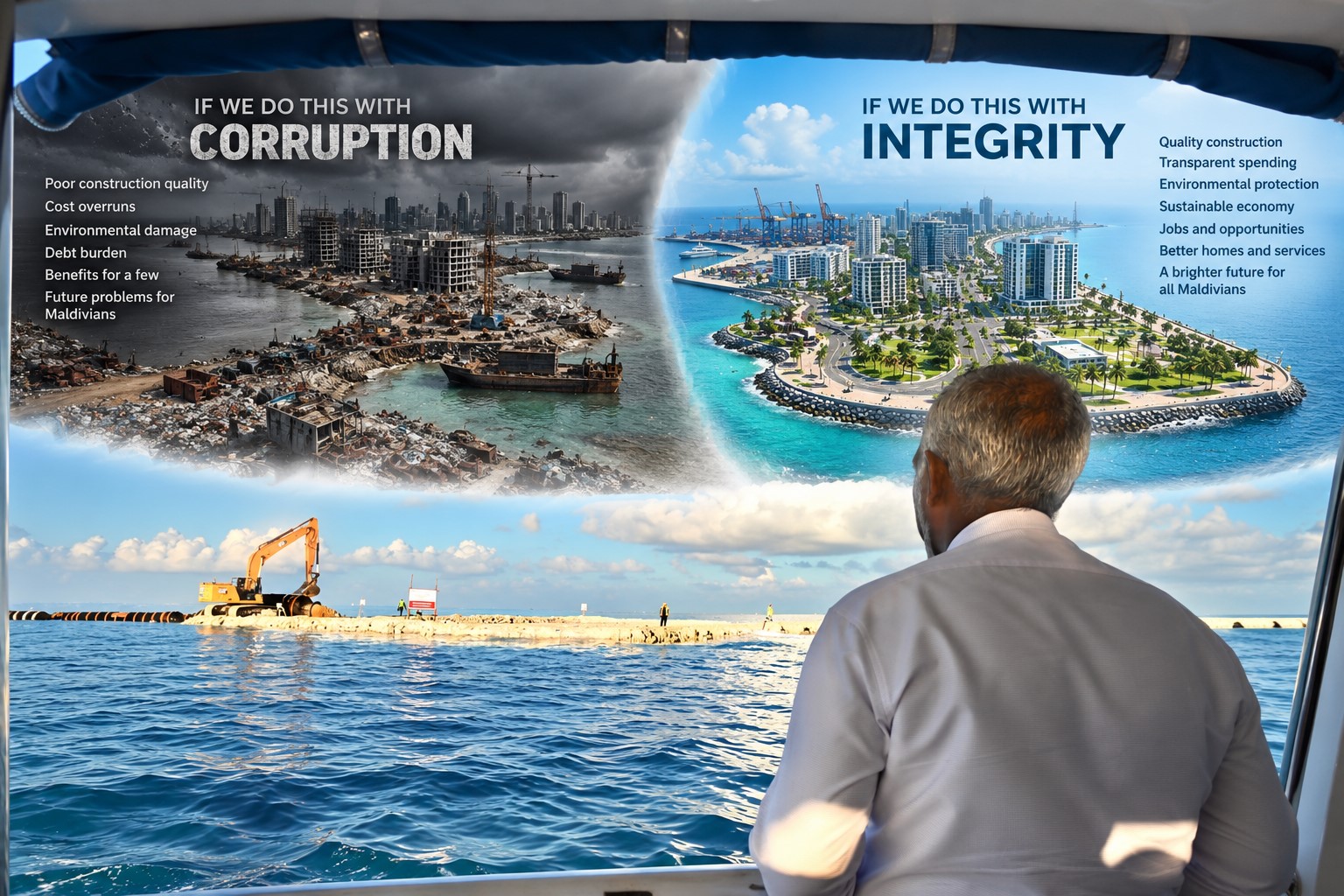
Another economic revolution lies in the financial sector. The project to relocate the fuel storage from Funadhoo near Malé and establish an "International Financial Center" on the island must be accelerated, turning it into a Special Economic Zone hosting major global banks and financial institutions. Reclaiming Gulhifalhu alongside other lagoons close to Malé to create a massive, integrated financial and commercial city akin to Singapore is not a pipe dream; it is achievable and urgently necessary.
Population Growth: The Target of 1 Million Maldivians by 2050
Large-scale economic projects can only be executed with a skilled, industrious population present in the country. The Maldivian population is aging day by day, while birth rates continue to decline. The solution is to revitalize this shrinking demographic by launching a major national initiative to boost population growth.
Over the next 25 years—by the year 2050—a national demographic target of reaching a population of 1 million Maldivians must be set. To achieve this, financial incentives must be provided to families. Policies such as a state allowance of MVR 2,000 per month for every 4th and 5th child until they reach 18 years of age should be introduced. This will expand the population, reduce reliance on foreign labor, and boost national productivity.
Becoming South Asia's Strongest Economy with Visionary Leadership
The Maldives is a jewel sitting directly on the main highway of global trade, rich with vast atolls like Vaavu Atoll and giant lagoons like Lhaviyani Atoll's Jawakara—possessing more spatial assets than Singapore. What we lack is visionary, wise leadership like Singapore's Lee Kuan Yew, Malaysia's Dr. Mahathir Mohamad, or the UAE's Sheikh Mohamed bin Zayed Al Nahyan, alongside a corruption-free environment like Singapore's. If the future of this nation is built on the political calculations of PNC's Adhurey and the political directives of that party's parliamentary leader, this country will remain exactly as it is now—a begging, small Third World nation. MDP has not offered the necessary solutions for this country either. What is needed is entirely new leadership.
If the nation's trajectory is shifted toward such leadership and policies, the Maldives will become South Asia's most advanced and powerful economy. Neither India nor Sri Lanka will be able to compete with the Maldives then.
This country, precious as gold, is not a "small" nation that needs to bow down and beg before India or any other foreign nation. It is a vast, resource-filled, naturally rich country. What is required is smart, sincere, visionary leadership to turn the future of this nation in a completely new direction. We must build a grand "Maldives," launch the national effort to reach a population of 1 million, and elevate the Maldivian nation to its true dignity and standing. The direction is crystal clear!