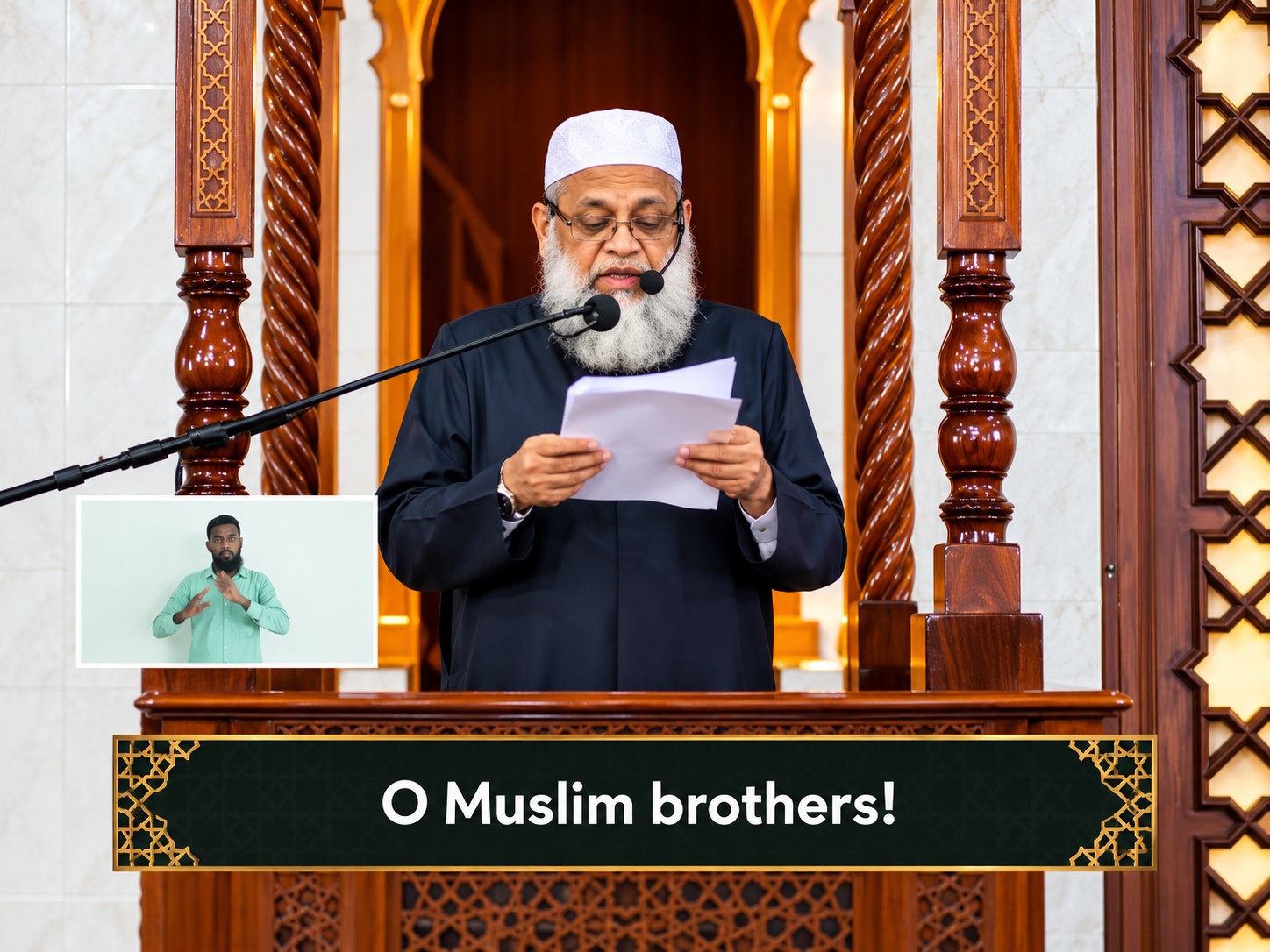
Every Friday, imams across the Maldives ascend the minbar to deliver government-mandated sermons written exclusively in the Male’ dialect (Male’ Bas). They read these texts verbatim, looking like lifeless robots, conveying sermons utterly stripped of substance. On many Fridays, watching an imam mechanically read a script written by bureaucrats in Male' makes one want to stand up in the middle of the mosque and shout: "What on earth are you even saying?"
The Ministry of Islamic Affairs' approach to crafting these sermons is remarkably superficial. If it is Children's Day, they slap together a few lines about children; if it is Dancers' Day, they connect it to dancers—and voila, a sermon is produced! As long as it is read out in standardized Male' Dhivehi, the job is deemed complete.
Yet, the hypocrisy embedded within these sermons is glaring. The government-approved texts explicitly recite Quranic verses and Hadiths condemning usury (riba). Meanwhile, the state bank—associated with the very same government and Islamic Minister—generates millions in interest profits. The state receives these usurious dividends, uses them to construct mosques, and pays the salaries of mosque caretakers (mudhimu) with interest-tainted funds. Reciting endless lectures in Male' Dhivehi while engaged in these practices provides zero spiritual benefit to worshippers sitting in the congregation. Listening to these sermons accomplishes almost nothing.
The Furaveri Incident: Pragmatism vs. Bureaucratic Control
More than a decade ago, during the construction of Furaveri Maldives Resort in Raa Atoll, nearly 90 percent of the construction workforce consisted of Bangladeshi laborers. The chief supervisor (Sardharu) overseeing the project was Abdulla Manikfan, a native of Meedhoo in Addu Atoll. Because no Friday prayers were held on the undeveloped island, several Bangladeshi workers requested a temporary mosque. Manikfan built one, and Friday congregation began. Since 90 percent of the attendees were Bangladeshi, a Bangladeshi worker led the prayers and delivered the Friday sermon in Bengali. Around 15 Maldivians also attended these prayers alongside the overwhelming Bangladeshi majority.
Eventually, an official from the Ministry of Islamic Affairs called Abdulla Manikfan and demanded to know why Friday prayers were being conducted under a Bangladeshi imam delivering sermons in Bengali without prior approval.
Manikfan challenged the official directly: "When the entire congregation consists of Bangladeshis, in what other language should the sermon be delivered for them to actually understand it?"
The ministry official responded bluntly that Friday prayers could not be conducted without explicit state permission. When Manikfan asked whether one truly needed a bureaucratic permit to offer prayers and perform Friday worship to God, the official was momentarily silenced before insisting: "Even so, you cannot hold Friday prayers without permission!"
The official issued a stern warning and terminated the call. Undeterred, Manikfan maintained the arrangement, and the Bangladeshi worker continued leading prayers and preaching in Bengali until the island's official resort mosque opened.
Dialect Hegemony and the Rejection of Addu Bas
Years later, Abdulla Manikfan boarded a taxi in Hulhumalé heading to Male'. As they approached the destination, he asked the driver in his native Addu dialect (Addu Bas) how much the fare was: "Dheevvee kehei varah?"
The driver remained silent. Manikfan repeated the question. When the driver still refused to answer, Manikfan asked why he was staying silent despite clearly hearing the question.
The driver sneered, claiming he could not understand what was being said, mockingly adding that Manikfan was speaking a foreign language and that he would only answer if asked in "Dhivehi." Manikfan retorted that under Maldivian law, the Addu dialect is fully recognized as Dhivehi, and that he was indeed speaking the national language. Infuriated by the driver's regional prejudice, Manikfan made a personal vow never to speak the Male' dialect again.
The dialect spoken in the capital is simply "Male' Bas." There is no logical reason why Male' speech is canonized as "Dhivehi" while the Addu dialect is treated as inferior or non-Dhivehi.
During voluntary prayers (Sunnah), a Muslim can supplicate to Allah in any language while in prostration. Why, then, does the Ministry of Islamic Affairs enforce rigid rules mandating that Friday sermons must exclusively be recited in Male' Bas? This state-enforced policy is nothing short of systemic regional discrimination, perpetuating the condescending view that islanders from the outer atolls (Raajjetherein) are somehow intellectually inferior.
If a congregation consists primarily of Bangladeshi workers, delivering a sermon in Dhivehi offers them no spiritual guidance. Similarly, in the mosques of Addu Atoll, delivering sermons in Addu Bas is far more appropriate and meaningful than forcing Male' speech upon the locals. Preaching in their native dialect would ensure that the moral and spiritual lessons of the Khutbah actually resonate with the people of Addu.
The Suspension of Imam Mohamed Rasheed
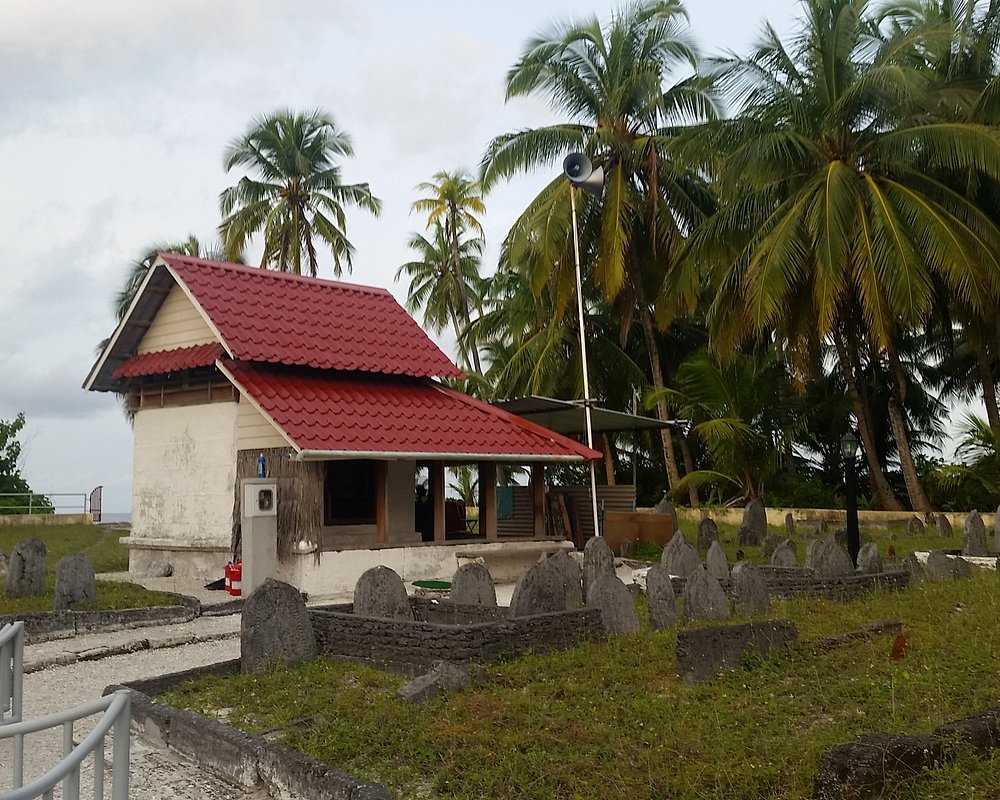
This state-enforced linguistic centralization was laid bare a few years ago when the Ministry of Islamic Affairs suspended an imam in Meedhoo, Addu Atoll. Mohamed Rasheed, an imam at Masjid-ul-Majudhudheen, delivered the Friday sermon after translating the ministry’s official script into Addu Bas so his congregation could fully comprehend it.
Following the incident, the Ministry's media official confirmed to the press that the preacher had been suspended pending an investigation for "violating the established rules for delivering sermons."
This suspension raised a critical question: Was the Friday prayer of the congregation behind Imam Mohamed Rasheed perhaps invalid because he preached in Addu Bas? Worship and Friday prayers are acts rendered sincerely to Allah; they are not administrative rituals that require draconian permits and rigid bureaucratic enforcement.
Religious education and moral guidance can only succeed when communicated in the language or dialect most accessible to the audience. While Male' Bas is utilized for state administration, Addu Bas reflects the linguistic richness of the Maldives and serves as the everyday language of an entire region. Forcing outer-island mosques to read exclusively in Male' Bas severs the spiritual connection between the congregation and the sermon, reducing the imam to a government mouthpiece reading a pre-written script.
Ending the Government's Grip on the Minbar
Exerting authoritarian control over the Friday sermon by drafting superficial texts and issuing heavy-handed regulations to show off the Islamic Ministry’s power is fundamentally contrary to Islamic principles. Why does the government cling so tightly to its monopoly over the Friday-Kuthuba? Is it out of fear that citizens might learn the unvarnished truth? Is it to ensure that the Friday sermon remains a tool for political propaganda?
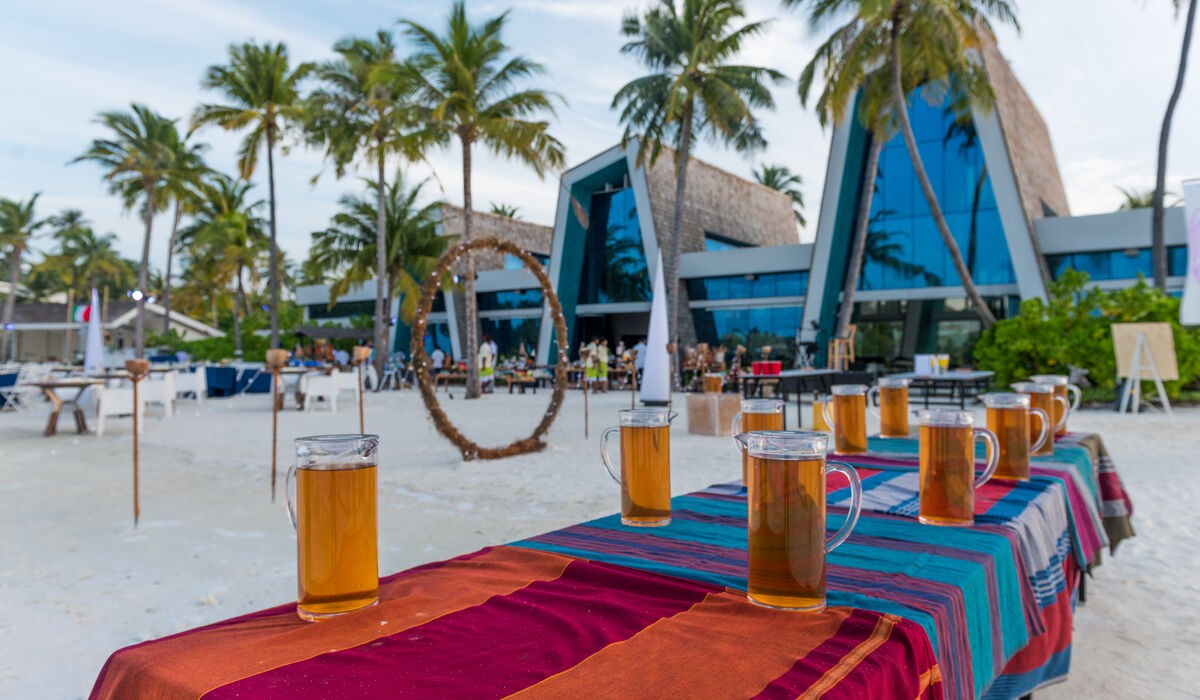
The authorities must stop trying to deceive the public—claiming religious credentials on paper while indulging in contradictory policies, ignoring unethical practices, preaching against usury while profiting from interest, and condemning alcohol while maintaining the resort liquor trade.
The government must end its stranglehold on the Friday sermon:
Permit Local Dialects: Allow mosques in Addu City to deliver Friday sermons in Addu Bas so that the congregations can truly understand and connect with the message.
Incorporate English Sermons: Mandate that at least one mosque in every major city deliver the Friday sermon in English to accommodate foreign Muslim residents and expatriate workers.
Empower Qualified Scholars: Grant certified, licensed Islamic scholars the freedom to prepare and deliver their own sermons without forcing them to read a standardized, government-issued script.
It is time for the government to let go of the Friday-Kuthuba and restore the Friday sermon to its true purpose: genuine, uncorrupted spiritual guidance for all.