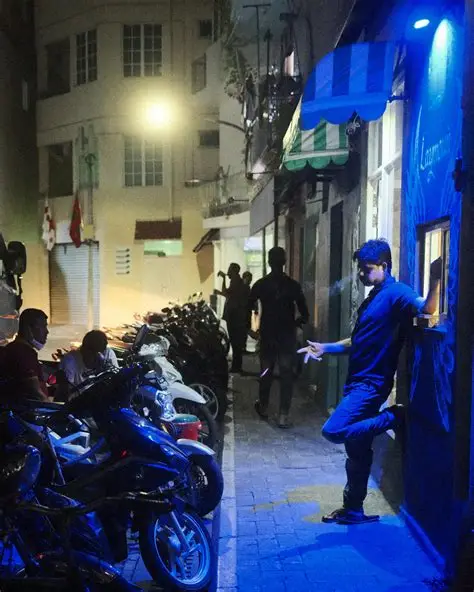
By 11:00 PM, after closing the office, heading to a local café to grab a late bowl of noodles with friends, and washing it down with a coffee, Abdulla finally gets to bed as the clock strikes 1:00 AM. By name, he is Abdullah—"Servant of Allah." In practice, however, he lives as a servant to fleeting worldly pleasures and toxic habits.
Energy Drinks and Cigarettes
When the call to Fajr prayer echoes at dawn, our "Servant of Allah" remains fast asleep, snoring loudly. Upon waking, Abdulla’s "breakfast" is an energy drink. A single can of Red Bull Summer Edition costs MVR 40. Consuming just one every morning drains MVR 1,200 from his monthly salary. Following the Red Bull, he lights up a Camel Hard cigarette. He burns through a pack a day, feeding his lungs toxic fumes while torching MVR 150 daily—or MVR 4,500 every month.
Down the Hatch: The Areca Nut Habit
Having downed the Red Bull and blown out the cigarette smoke, Abdulla tips half a bottle of flavored imported-supari (areca nut) into his mouth. He consumes at least one bottle a day. At roughly MVR 30 a bottle, that adds another MVR 1,000 to his monthly expenditure.
The "Halal Beer" Delusion
After his morning routine, Abdulla heads to the office, clocks in via the fingerprint scanner, sits at his desk, and scrolls through social media. By 10:30 AM, he steps out with colleagues for a coffee break. His beverage of choice? "Halal beer." It tastes like beer, comes in a bottle that looks exactly like a beer bottle, and even carries the label "beer"—zero-alcohol. It is a product targeted at young Muslims, desensitizing them to alcohol culture under the guise of an innocent soft drink. At MVR 33 a bottle, that accounts for another MVR 1,000 a month.
Pornography Subsidized by Telecoms
Back at the office after his break, Abdulla puts on a display of being remarkably busy. He wanders around the workspace, moving from one colleague's desk to another. When the time for Dhuhr prayer arrives, he sits back down, stretches lazily, and decides to "reward" himself for a hard day's work. He pulls out his smartphone and begins browsing pornographic images and videos across websites, Snapchat, Instagram, and Telegram.
To fuel this, he subscribes to a premium MVR 1,000 monthly data package offering unlimited access. As he streams explicit content to his heart's content, telecom companies in the Maldives fill their pockets. Meanwhile, these indulgences leave his mind cluttered and degraded.
In total, between energy drinks, cigarettes, supari, non-alcoholic beer, and data packages for explicit content, Abdulla squanders at least MVR 7,200 every month for all this junk. A massive chunk of his income goes up in smoke—wasted on chemical brews, habit-forming stimulants, and digital vices.
Where Is the Devotion?
Come the weekend, Abdulla finds plenty of time to watch live Premier League and La Liga football matches on TV, binge-watch TV series on Netflix, hang out at cafés, listen to the latest music, or go on weekend island getaways. Yet, he cannot find time to step into a mosque for prayer or read a single verse of the Quran. If he happens to stay in town over the weekend, he might attend Friday Jumma Prayer—stepping inside just as the final call to prayer (Iqamah) is delivered. The sermon (Khutbah) passes by without his attention. The moment the Imam gives the final Salam, Abdulla rises immediately, steps out, and speeds off on his loud motorcycle.
Selective Activism
On social media, Abdulla eagerly shares the Palestinian flag and posts "Free Palestine" on every platform. Yet, whenever he encounters something surprising in daily life, the phrase that slips from his tongue is a truncated version (Laa-ilaaha) of the testimony of faith—dropping the core meaning entirely. He acts without reflecting on what he says, leading a lifestyle submerged in forbidden substances and spiritual apathy.
Big Business and the government gains as Youth Health Declines
While young Maldivians burn their earnings on harmful habits, major business companies grow exponentially wealthier by selling cigarettes, supari, energy drinks, and "halal beer", and telecom giants such as Dhiragu and Ooredoo thrive on data revenues generated by explicit content consumption. The state, too, collects taxes and revenues from the very poisons harming its youth.
Premature deaths
Meanwhile, early deaths among young adults are rising, chronic illnesses like lung disease and diabetes are becoming widespread, and an entire generation faces a quiet public health crisis.
This is not enough
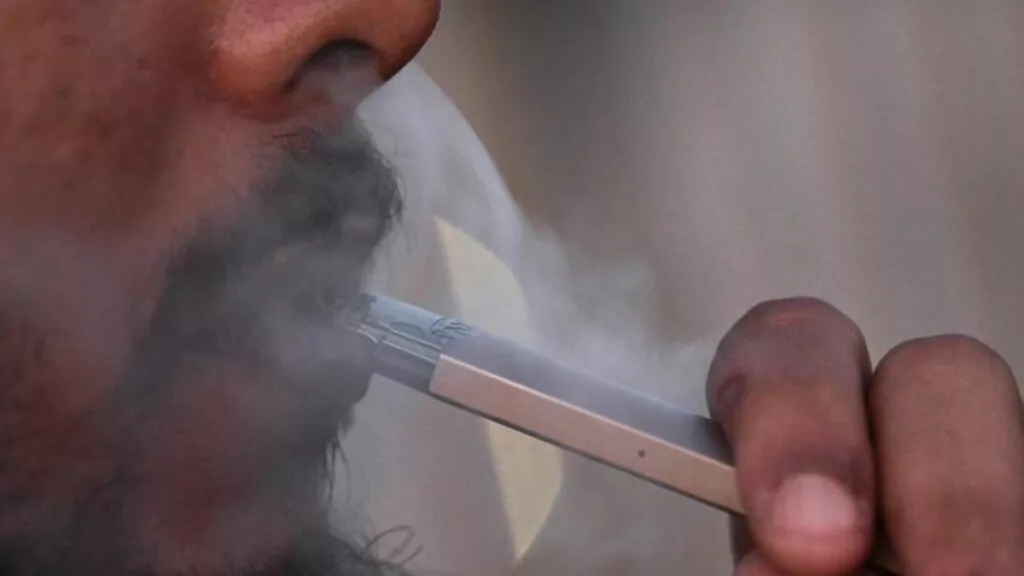
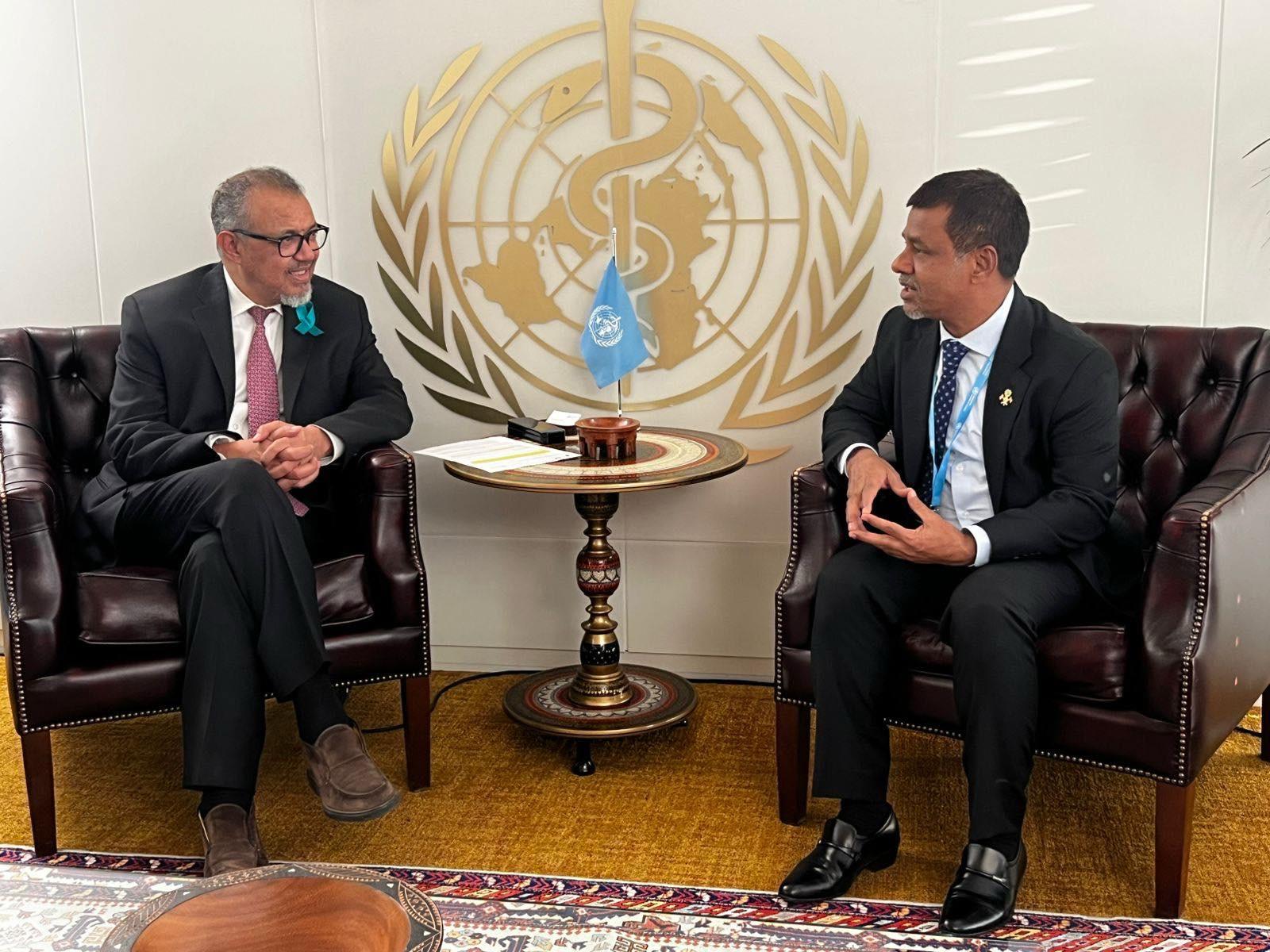
The government deserves recognition for taking a decisive, historic step in completely banning vaping products, their import, and their sale. It demonstrated that the administration possesses the political will to enact major policy changes for public health. However, banning vapes alone does not solve the broader crisis. What about the other substances destroying the health and moral fabric of our youth? When national leaders return from overseas trips speaking of "grand initiatives" for the public good, citizens expect more than endless announcements about land reclamation, new regional airports, or bridge projects. If the goal is genuine long-term national welfare, the government must build on the momentum of the vape ban. It should target the remaining health hazards—such as supari, cigarettes, sheesha and energy drinks—and systematically phase out their import and commercial distribution. Simultaneously, access to pornographic websites must be comprehensively blocked at the network level. The ban on vapes was an important first step; now it is time to complete the job and safeguard the social and physical future of the Maldivian youth.