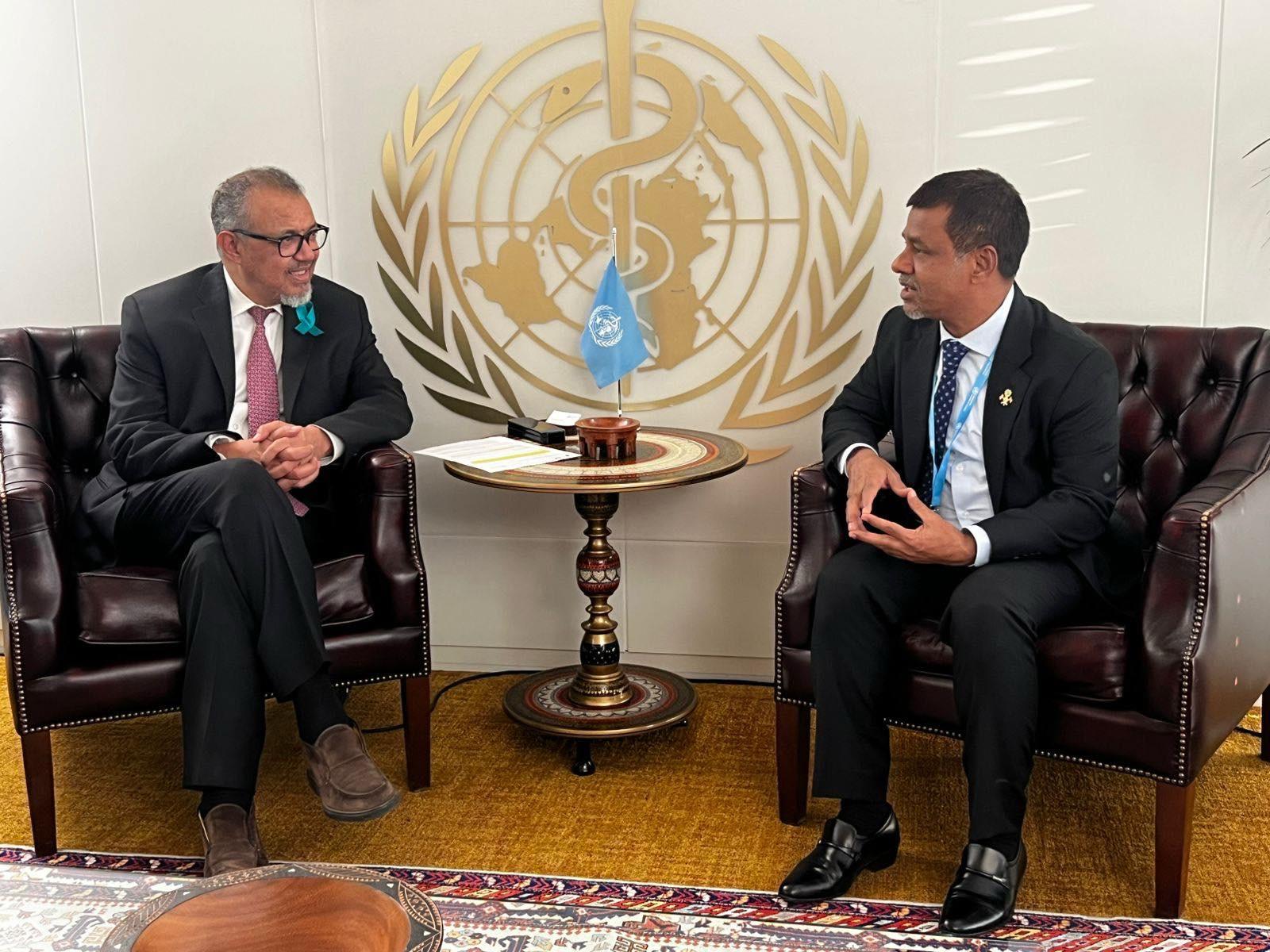
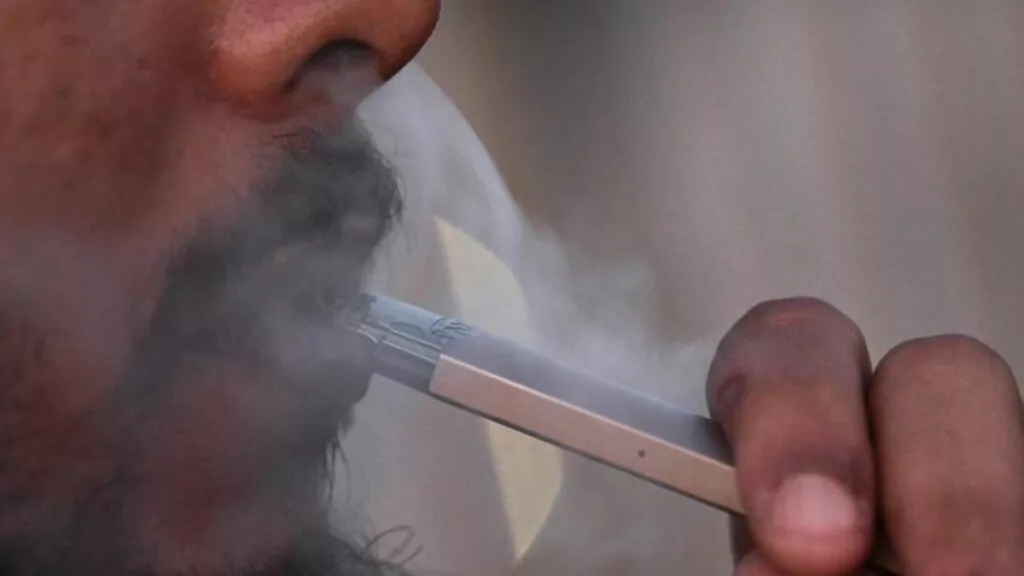
Political leadership is fundamentally tested not during times of easy consensus, but when short-term political expedience collides with long-term public good. In early March 2026, the Maldivian public witnessed a rare, refreshing moment of policy clarity. Health Minister Abdulla Nazim Ibrahim took to the podium to confirm what medical professionals had been demanding for months: the government was actively weighing a ban on shisha, alongside structural taxes on sugary beverages and the removal of state sugar subsidies. It felt like a decisive milestone—a government willing to expend political capital to confront the rampant crisis of Non-Communicable Diseases (NCDs) head-on.
Yet, that conviction lasted less than a month.
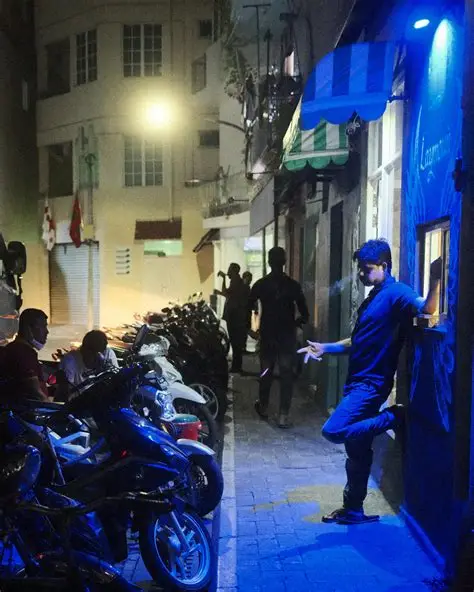
With the crucial April 2026 Local Council Elections and national referendum looming on the horizon, panic set in at the highest levels of the administration. Fearing that taking away young voters’ favorite pastime would trigger an electoral backlash, President Dr. Mohamed Muizzu publicly undercut his own Health Minister, declaring flatly that there were "no plans" to ban shisha. Minister Nazim was thrown under the political bus, his forward-looking public health agenda sacrificed at the altar of electoral anxiety.
The strategy was simple: soothe the public, protect the party’s flanks, and win the vote. But politics has a cruel way of punishing perceived weakness. Instead of securing victory, the retreat backfired disastrously. The government suffered embarrassing losses in both the council elections and the referendum. The lesson of April 2026 is clear: voters did not reward the administration for protecting shisha; they punished them for a total lack of spine.
To understand why this retreat was such a catastrophic error, one must look at what was actually at stake. The Maldives is facing a quiet, agonizing public health emergency. Diabetes, cardiovascular illnesses, and respiratory diseases place an unsustainable burden on public health spending and family livelihoods. When the Maldives Medical Association (MMA) called for a total shisha ban, a vape ban, and sugar tax overhauls in late 2025, they were offering a roadmap out of this crisis.
When the administration successfully banned vapes and restricted tobacco sales for future generations, it gained significant moral authority. The public—even those initially skeptical—saw a government capable of making tough, transformative decisions. A shisha ban was the logical, courageous next step. By publicly entertaining the ban, the Health Ministry had already crossed the Rubicon; the public expected a fight, but they also expected leadership.
Instead, when President Muizzu publicly reversed his minister, the illusion of strong governance shattered. The political damage of this U-turn was threefold.
First, it projected profound internal dysfunction. A government that allows its Health Minister to roll out major policy on public health, only for the President to publicly disavow the Minister weeks later, looks disorganized and chaotic. It sent a message that cabinet ministers do not speak for the President, and that policy in Malé is dictated not by evidence or strategy, but by the daily fluctuations of political fear.
Second, it alienated the silent majority. Political strategists often make the mistake of overestimating the vocal, angry minority—in this case, urban shisha enthusiasts and cafe owners—while ignoring the quiet majority of parents, health professionals, and civic-minded citizens who desperately want a cleaner, healthier environment for their children. By catering to the shisha lounge demographic, the government handed a moral victory to its opponents, while leaving its own support base fed-up and demoralized.
Third, and most importantly, it exposed blood in the water. Nothing invites political defeat faster than the smell of hesitation. In the lead-up to the April elections and referendum, the opposition did not see a benevolent government listening to the people; they saw an administration running scared. By backing down under the mere threat of voter dissatisfaction, the government invited the electorate to push even harder. The subsequent loss at the ballot box was not despite the shisha retreat, but because of it. Voters rarely respect leaders who apologize for their own vision.
Standing by the shisha ban would undoubtedly have sparked outcry in urban centers. There would have been noisy protests outside cafes and angry social media campaigns. But strong leadership requires absorbing short-term heat to secure long-term legacy. Had President Muizzu backed Minister Nazim, framed the shisha ban as a non-negotiable duty to protect the nation's youth, and weathered the storm through April, the narrative would have been entirely different. The government would have entered election day defined by strength, consistency, and principle.
Instead, the administration got the worst of both worlds. It suffered the embarrassment of a chaotic public reversal, sacrificed the credibility of its Health Minister, lost the health policy momentum built over six months, and still lost the elections.
A nation cannot be governed by political hedging. When leaders sacrifice vital public health policies out of fear of losing an election, they usually end up losing both the policy and the election. The defeat of April 2026 should serve as a stark warning for the current administration and those that follow: real authority is built on conviction. All politicians should by now know that a government that is afraid of its own shadow will eventually be swallowed by it.