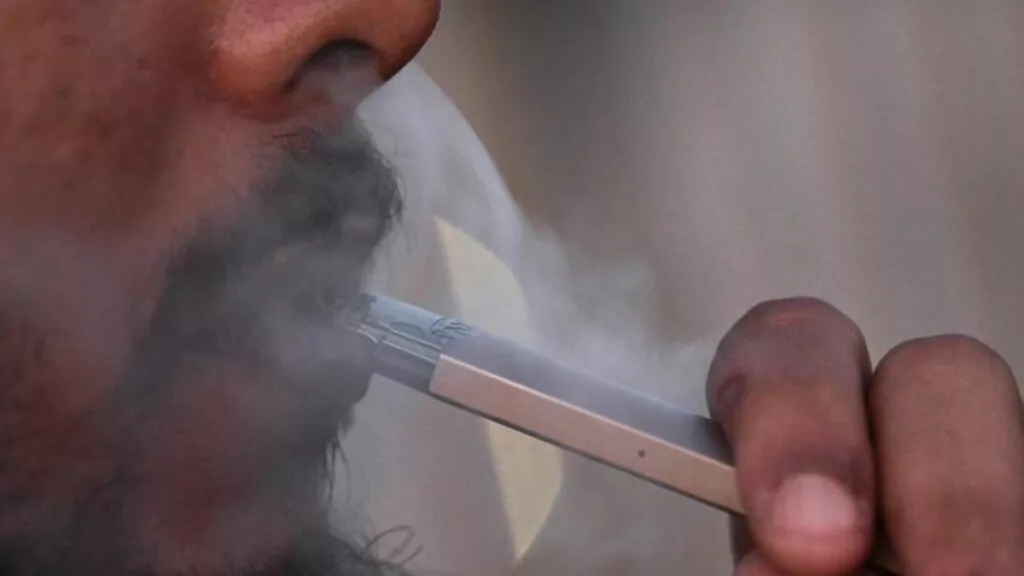
On December 15, 2024, the Maldives reached a landmark moment in its social history. It was the day the government put into motion one of its most courageous legislative acts: a complete nationwide ban on the import, manufacture, sale, and usage of vaping products and e-cigarettes. The December 15 deadline did more than end the widespread availability of vapes; it demonstrated that when an administration possesses resolute political willpower, critical national issues can be confronted and resolved with decisive speed. From the initial policy proposals to the ratification of sweeping legislation, the administration of President Dr. Mohamed Muizzu executed this overhaul in roughly two months—a clear display of governance at "Muizzu speed."
While vapes are still occasionally spotted in hidden corners of Malé, enforcement is actively taking root across the country. Yet, political fractures remain. The opposition Maldivian Democratic Party (MDP) has signaled an intent to re-authorize vaping should they regain power—a platform stance that underscores why many citizens view their political return as a direct risk to public health progress.
Tightening the Vice on Tobacco
Alongside the vaping ban, the government moved swiftly to amend the Tobacco Control Act, raising the minimum legal purchasing age from 18 to 21 and embedding a generational tobacco ban into national law. While these legislative milestones set a strong precedent, closing operational loopholes requires immediate, ground-level action:
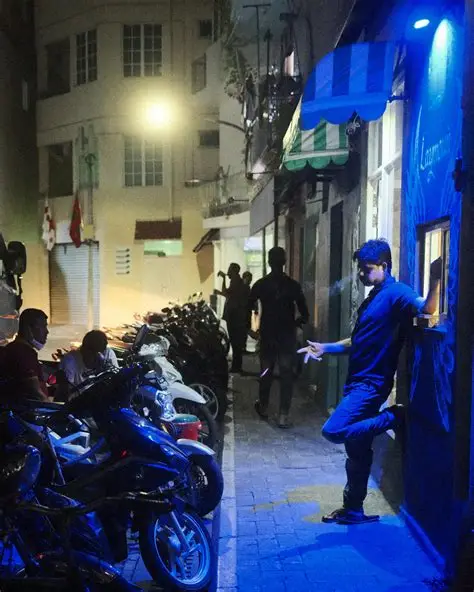
Eradicating Loose Cigarette Sales: The law explicitly prohibits the sale of individual, loose cigarettes, yet informal street kiosks (gaadiyaa) and small corner stalls routinely defy regulation. Requiring full-pack purchases raises the financial barrier for minors, serving as a critical step toward cultivating a tobacco-free generation.
Banning Public Smoking: Smoking must be banned outright on public streets and open communal areas. Allowing citizens and expatriates to smoke freely in public roads continues to expose youth to normalized tobacco consumption.
The Opposition’s Double Standard on Law Enforcement
The pushback against these health measures escalated into political volatility about two years ago. An MDP activist issued crude threats and explicit warnings of violence via social media platform X, incited by rising tobacco duty rates. When law enforcement summoned the individual for questioning, senior MDP figures—including the then Chairperson Faiyaz Ismail, Party President Abdulla Shahid, and former Defense Minister Mariya Didi—publicly rallied to his defense, attempting to frame violent threats as protected free expression.
Minister of Homeland Security Ali Ihusaan delivered a sharp rebuttal, posing a fundamental question: Should law enforcement stand idle if similar violent threats were targeted at opposition leaders under the guise of free speech?
Critiques of the opposition point to a recurring hypocrisy: defending figures associated with illicit networks while framing faith-based communities as extremist. A political agenda that seeks to re-legalize vaping, loosen tobacco controls, and grant leeway to drug networks risks exposing the country to severe social decay.
Geopolitics and Domestic Stability
Concerns persist over political efforts to destabilize the administration under the banner of constitutional rights or cost-of-living grievances. Historical efforts to draw the nation into foreign economic dependency—particularly surrounding regional alignments with India—were stalled when voters unexpectedly rejected the previous administration in the 2023 presidential elections. Sustaining national self-reliance requires a vigilant public and accountability for past administrative missteps.
Global Precedents for Youth Protection
Nations worldwide are enacting strict measures to safeguard public health and social welfare:
Australia, among many other countries, enacted landmark legislation restricting children under 16 from accessing social media platforms.
The United Kingdom passed binding legislation aiming to create a completely smoke-free generation by phased age limits.
If large western democracies can execute such sweeping reforms, a close-knit Islamic nation like the Maldives is exceptionally positioned to succeed. Presenting children with smartphones at ages 12 or 13 exposes impressionable minds to unregulated environments such as porn and child abuse across platforms like X, Telegram, and Instagram. Restricting smartphone access and regulating social media exposure for minors are necessary steps toward protecting the next generation.
Cleaning Up the Streets: The Gaadiyaa Problem
To curb social decay, regulators must address the persistent issue of informal street kiosks (gaadiyaa) and mini-marts. Originally intended for Maldivian snacks, fresh coconuts, and traditional produce, many of these venues operate outside import regulations:
Illicit Retailing: Numerous kiosks routinely sell illegal loose cigarettes without appropriate tobacco retail licenses.
Fostering Crime: Unregulated stalls often become outlets for stolen produce from outer islands or operate as gathering points for illegal expatriates and illicit drug trade networks.
While traditional gaadiyaa setups have largely been cleared from Malé's main roads, they have re-emerged as small makeshift stalls in Malé and proliferated across Hulhumalé. Stripping these unlicensed stalls of tobacco retail permissions, banning single-cigarette sales, and instituting strict police monitoring are essential steps toward reclaiming public spaces.
Strict Enforcement and Institutional Leadership
Enacting laws is only half the battle; rigorous execution is paramount. President Dr. Mohamed Muizzu, Homeland Security Minister Ali Ihusaan, and Commissioner of Police Ali Shujau must lead by example to prevent black-market vape operations from enriching illicit networks:
Institutional Bans: Prohibiting tobacco use among Police and Maldives National Defence Force (MNDF) personnel—both on and off duty—would set a powerful institutional standard.
Civil Service Standards: Tobacco use should be strictly prohibited for civil servants during official working hours.
Clean Public Spaces: A total ban on public street smoking must be paired with the systematic dismantling of organized gang networks.
The overarching goal is clear: establishing a safe, law-abiding, and healthy society rooted in Islamic values. The current government has set the right trajectory, but enforcement must remain swift, direct, and uncompromising. By addressing the root causes of social vulnerability today, the Maldives can successfully transition from a generation harmed by unregulated street trade to one with a resilient, healthy future.