In traditional Addu folklore, there is a fable about a flock of chickens caught on a kitchen roof during a torrential downpour. Shivering in the freezing rain, the chickens huddle together in desperation while their leader heroically shouts words of comfort: "Don't worry! Tomorrow, we will build a (Dhagey) shelter!"
In the Addu dialect, building a shelter or house is called Dhagey. But when morning arrives and the storm clouds clear, the sunrise washes away the leader's promises. Absorbed in the day's routine, the rooster forgets—or pretends to forget—the suffering of the night before.
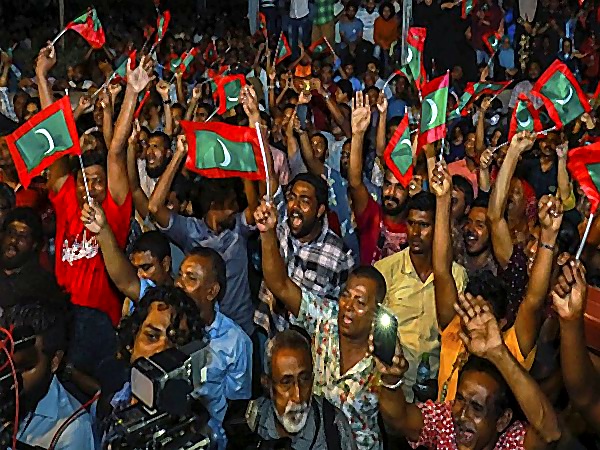
This fable is a masterclass in Maldivian politics. Campaign season after campaign season, our political leaders operate on the rooster’s logic. Facing a crisis or a looming election, they shower the electorate with grand promises of Dhagey. Yet once the votes are counted and the skies clear, those vows dissolve into mirages—mere hooks and lines cast to haul in power.
Imported Flour, Rotten Eggs, and Annual Oratory
During election cycles, every aspiring leader promises that, if elected, they will "revolutionize" the nation and their party. But once in office, those lofty pledges unravel into empty display. Instead of progress, citizens witness the steady decay of our social and economic fabric, leaving ordinary families stranded.
On annual national observances—Farmers' Day, Fishermen's Day, Youth Day, or Tourism Day—leaders deliver polished speeches promising sweeping reforms. Yet on the ground, nothing changes.
Governments promise agricultural self-sufficiency, yet Maldivians remain forced to buy imported, low-quality flour, rotten eggs, and spoiled onions at exorbitant prices, with over 90 percent of our food still brought in from abroad. Fishermen hear endless praises on their national day, yet they continue to face unpaid catches, depressed prices, and processing bottlenecks, routinely taking to the streets as MIFCO delays payments.
Meanwhile, Youth Day speeches praise young people as the future of the nation, even as their horizons are mortgaged to foreign interests. Promises to increase local participation in tourism fall flat; foreign entities retain control over most resorts and high-level jobs, threatening to turn the nation's primary economic engine entirely over to overseas conglomerates within a decade.
Addu City: The Litmus Test of Regional Development
Nowhere is the chasm between promise and reality wider than in Addu City—the birthplace of the Dhagey fable itself. Designated on paper as the southern economic hub, Addu’s development remains tightly tethered to central control in Male'.
A prime example is the presidential decree stripping Addu City Council of jurisdiction over Savaahili—a key island in the region’s tourism master plan. Despite public pushback from the council, the central government reclaimed the island, proving once again that decentralization pledges vanish the moment power is at stake.
The long-promised bridge linking Hithadhoo and Hulhumeedhoo remains a quintessential Dhagey pledge, dangled before voters since 2018. Re-pledged by successive administrations, it has produced endless news headlines but not a single concrete pillar. Similarly, while the Solih administration promised 8,000 tourist beds for Addu and the current government revised that under the "Addu Asseeri" plan to 6,000, tangible progress remains miniscule. Despite the opening of the 1.4-kilometer Hankede bridge, critical economic catalysts like the Gan International Airport expansion and the development of Maahera and Koahera languish, leaving Addu treated more like a protected crab swamp than an economic powerhouse.
Foreign Servitude, Sovereign Debt, and Global Cautionary Tales
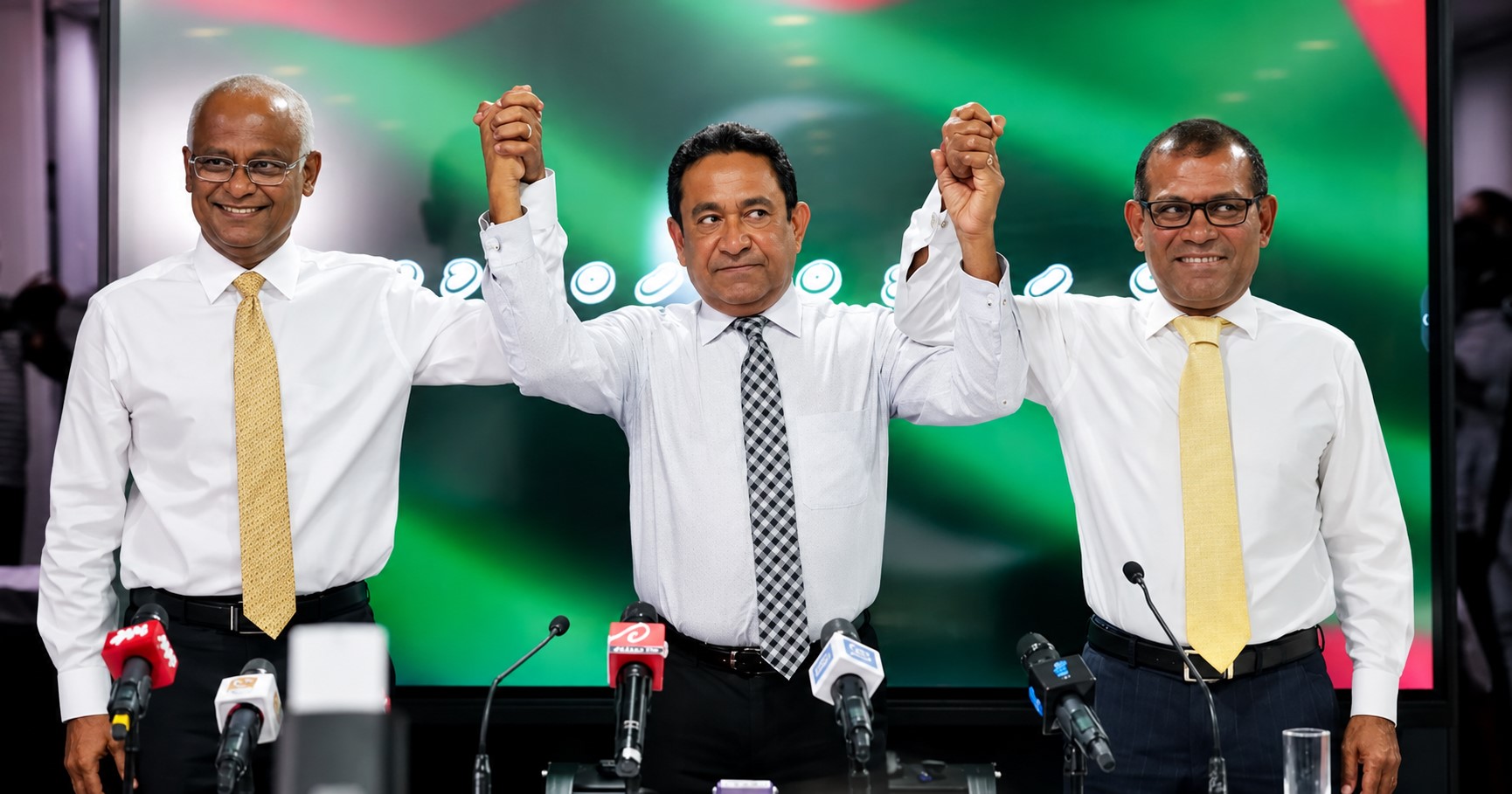
Another systemic weakness of Maldivian leadership is the willingness to surrender national interest to foreign influence. Many leaders act less like sovereign statesmen and more like scribes connecting dots laid down by foreign powers, whether in New Delhi or Washington. Former President Nasheed perfected this posture, and figures within the opposition MDP—such as Abdulla Shahid, Faisal Naseem, or Adam Azim—will struggle to build genuine public trust until they step out from foreign shadows.
The current administration came to power on "India Out" rhetoric, promising to eliminate foreign military footprints and build sovereign resilience. Yet faced with crushing debt and economic strain, President Muizzu has been forced to turn back to India and Prime Minister Modi for financial lifelines.
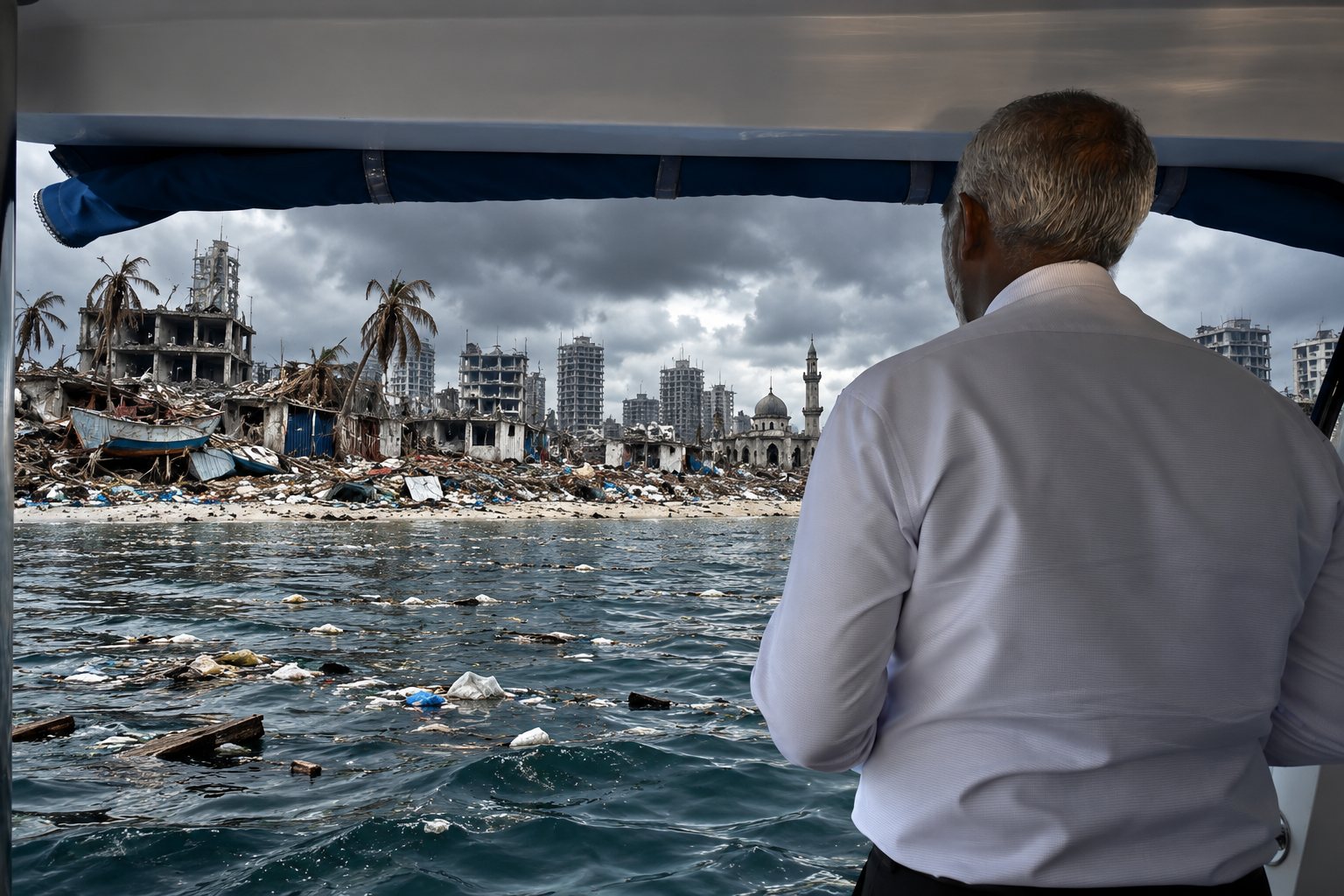
This cycle of reckless borrowing and empty political mega-projects carries severe historical warnings. In Sri Lanka, the Rajapaksa regime built the infamous Mattala International Airport in Hambantota for political vanity—an asset dubbed "the emptiest airport in the world"—triggering a debt crisis that culminated in Sri Lanka’s 2022 sovereign default and economic collapse. In Lebanon, political elites manipulated the financial system to maintain power, resulting in a 90 percent devaluation of the currency and frozen bank accounts for ordinary citizens.
Heading into 2028: Ending the Cycle of Illusion
The greatest challenge facing the Maldivian public today is not a lack of vision from politicians, but a total absence of mechanisms to hold them accountable. Smooth speeches cannot manage foreign debt or drive genuine regional development.
We cannot build a country’s future on Dhagey promises recycled from one election to the next. True political leadership requires transparent timetables, uncorrupt management, genuine decentralization, and measurable economic outcomes in citizens' pockets.
As the nation charts its course toward the 2028 presidential election, voters face a fundamental choice: Will we continue to accept fake roof-top promises made during the storm, or will we demand honest leaders who build real shelter before the rain falls? Maldivians must stand together and say no to political dealers, demanding genuine results over empty theater. With 2028 fast approaching, the time to break the cycle is now.