A look at the decision-making processes and scheduling mechanisms governing the Maldivian education system reveals a stark truth: policymakers appear entirely detached from daily reality, student mental well-being, and international standards, operating within an isolated bubble of their own. Examining the amendment bill to the Education Act submitted to Parliament by Huraa Constituency MP Dr. Anara Naeem, alongside the Ministry of Education’s 2026 academic calendar, exposes the sheer pressure that Maldivian students and families currently endure under this system.
No Actual Teaching: Entire Years Spent on Endless Activities and Draining Parents' Pockets
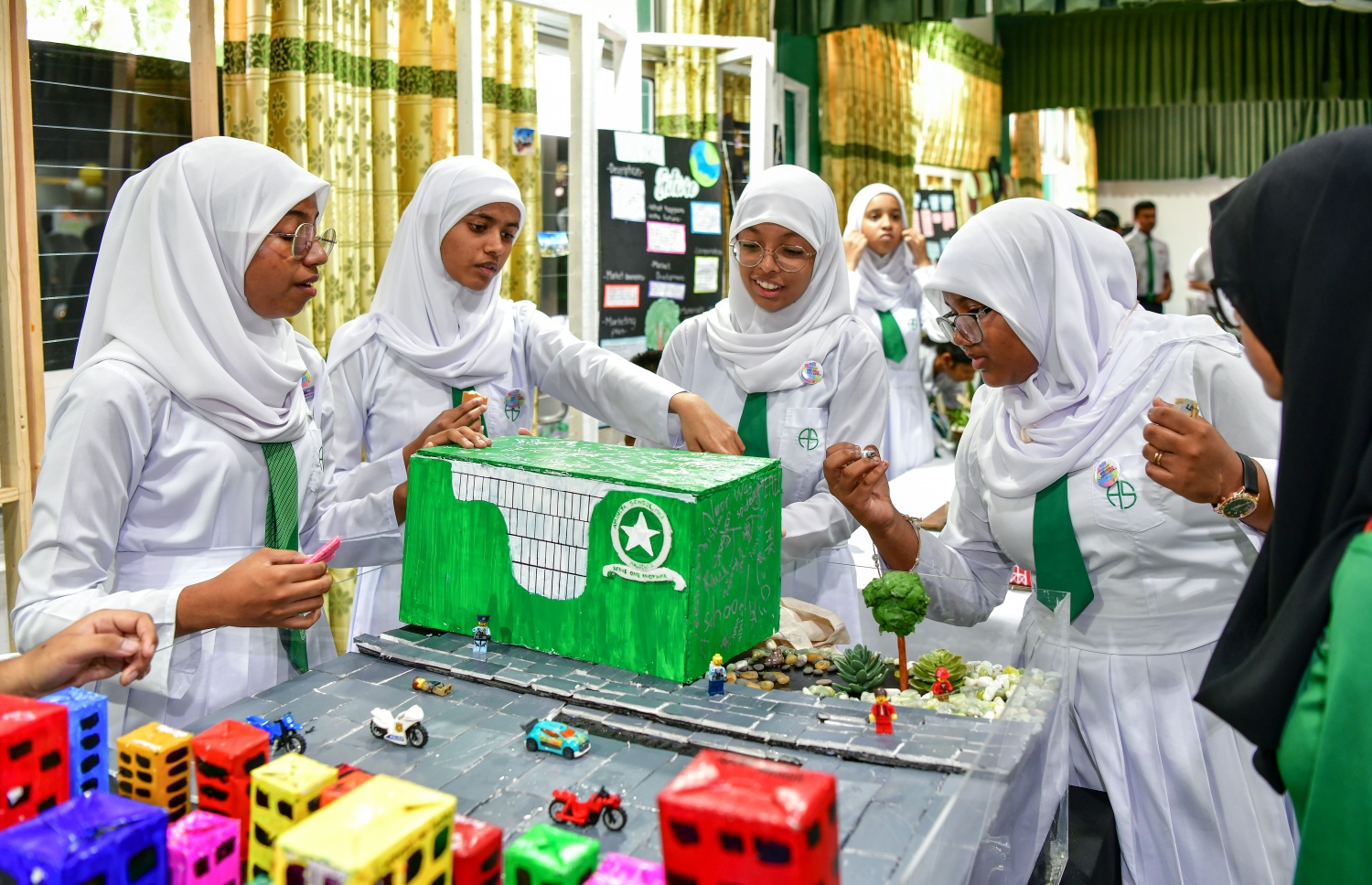
Looking at the current reality of Maldivian schools, traditional textbook-based instruction has taken a back seat to a non-stop cycle of extracurricular activities—football and badminton tournaments, cadet camps, school fairs, fundraising sales, school concerts, and various formal events. Hardly a week passes without parents being asked to prepare and send food to school for some occasion. Under the guise of "creative arts" or handiwork, parents are forced every week to race all over Malé searching for obscure, hard-to-find materials. With food prices soaring and household incomes barely covering basic necessities, mothers and fathers are left combing every corner of the capital each week just to procure items specified for school art projects.
Yet, amid all this commotion, what is the actual quality of education delivered by the end of the year? In several schools, entire terms pass without a permanent solution to missing Arabic or Qur'an teachers. As fundamental learning standards decline and student results deteriorate, it becomes painfully evident that the entire educational framework requires an immediate, comprehensive overhaul.
International Research vs. the Maldives’ Truncated Annual Break
In developed nations with top-tier educational standards, the summer or year-end break is far more than mere days off. It serves as a vital opportunity for students, teachers, and parents to escape the year's exhausting events and mental stress, rest thoroughly, embark on extended family trips, and truly recharge. In countries such as the United States and Canada, the year-end break spans between 10 and 12 weeks (nearly three months).
In European nations like Italy, Spain, and Greece, the annual break extends up to 12 weeks, while leading Nordic educational systems in Finland and Estonia grant more than two months. Across Asia—in China, India, and Sri Lanka—the year-end break lasts at least two months.
By contrast, the 2026 academic calendar published by the Maldives’ Ministry of Education presents a perplexing picture. The year-end break (Bodu Chuttee) runs only from December 18 to January 12. Even including weekends, this amounts to barely three weeks—not even a full month. While nations worldwide grant their students two to three months to refresh their minds, the Maldivian system offers an annual break that barely equals a brief term break in other countries.
The Futility of Pointless Mid-Term Breaks
The greatest irony lies in the mid-term breaks scattered across the year. According to the Ministry of Education’s 2026 academic calendar, the first-term break lasts roughly 10 days, including weekends. The second mid-term break similarly spans about 10 days inclusive of weekends. These 20-odd days (10 each), offer no meaningful economic, social, or mental health benefit to students, teachers, or parents. The moment books are set aside to relax, the break ends, and it is time to return to school. The window is far too brief even to book tickets and settle in for a proper trip.
A far more practical and sensible approach would be to eliminate these brief, unproductive mid-term breaks entirely, take those 20 days, and consolidate them into the year-end annual holiday. This simple adjustment would grant Maldivian students a proper two-month break, bringing the country in line with international practices.
Legal Deadlocks and Political Games
Rather than implementing practical, beneficial changes, politicians and educational planners remain focused on locking the starting date of the academic year to January by legislation. Mandating a January start through amendments to the Education Act—or shuffling the calendar whenever a new administration takes office—does nothing to alleviate the mental toll on teachers, students and parents, nor does it address the difficulties families face due to shortened annual holidays.
Mental Burnout Among Children, Parents, and Teachers
While the bill submitted to Parliament by Anara Naeem stipulates a minimum requirement of 195 teaching days, it fails to establish a rational standard for structuring those days. As successive administrations play political tug-of-war by shifting the academic year between January and August, no attention is paid to the disruptive storms hit by children’s educational lives, or the emotional exhaustion and burnout leaving parents and teachers completely depleted.
Conclusion: Step Out from Behind (or under the) Office Desks and Face the Reality
The Minister of Education, lawmakers, and the President must step out from behind their office desks and look at the real world. To the politicians closing their eyes and ears to global best practices and research on youth physical and mental health: students do not need fragmented, unproductive mid-term breaks scattered throughout the year, nor do parents and children need to be ground down by endless school events. What they need is a complete, extended annual break to spend quality time with their families, travel to the islands, and refresh their minds.
Instead of sitting in air-conditioned offices filling in grid boxes on schedules, educational planners and political figures would be far wiser to step into the real world and listen to the authentic voices of citizens, teachers, parents, and students. Extend the school annual break to two months, and give the Maldivian education system much needed room to breathe.